Loading conditions…
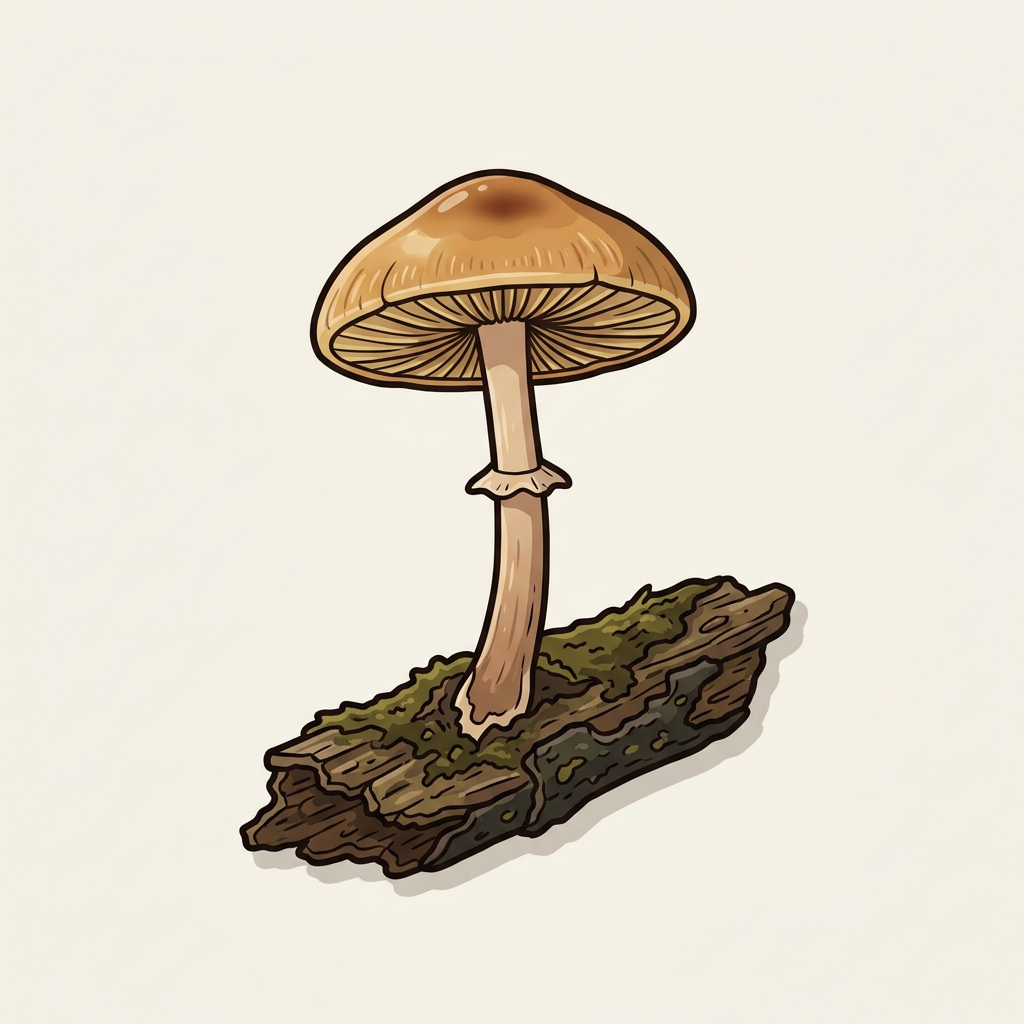
Edibility
Deadly
Lookalike Danger
3 / 5
Habitat
☠️ Rotting wood
Season
Aug – Nov
"Tiny brown mushroom, enormous danger. Same amatoxins as death cap. Kills livers. Respect the wood-grown LBMs."
⚠️ Do Not Confuse With
2 deadly mimicsMushroom ID is a rule-out game. Every entry below describes something that looks similar — learn the differences before eating.
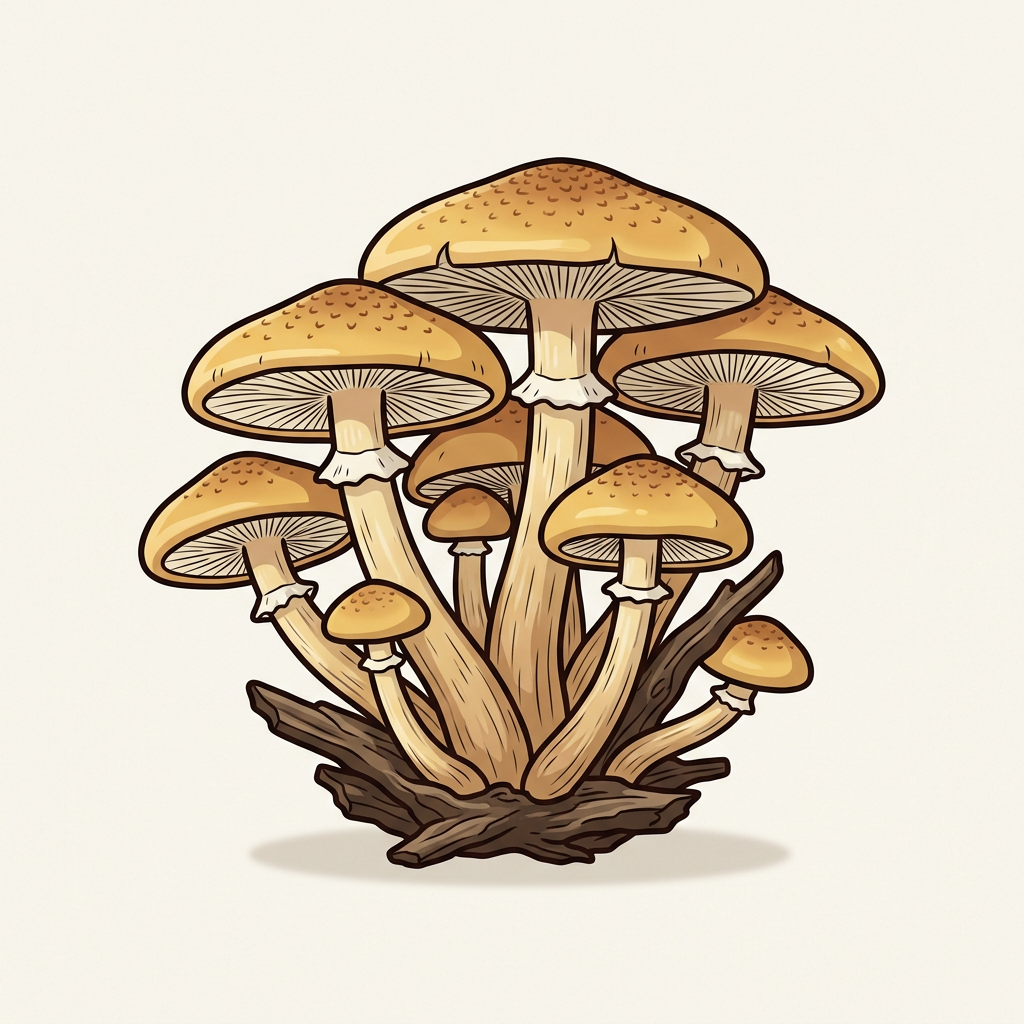
Honey MushroomArmillaria mellea
☠️ DeadlyHoney mushrooms have WHITE SPORE PRINTS, cream gills, and grow in big clusters from wood with a distinctive ring. Deadly galerinas have RUST-BROWN SPORE PRINTS, brown gills, and grow singly or in small groups ON THE SAME WOOD. Always take a spore print before eating honeys.
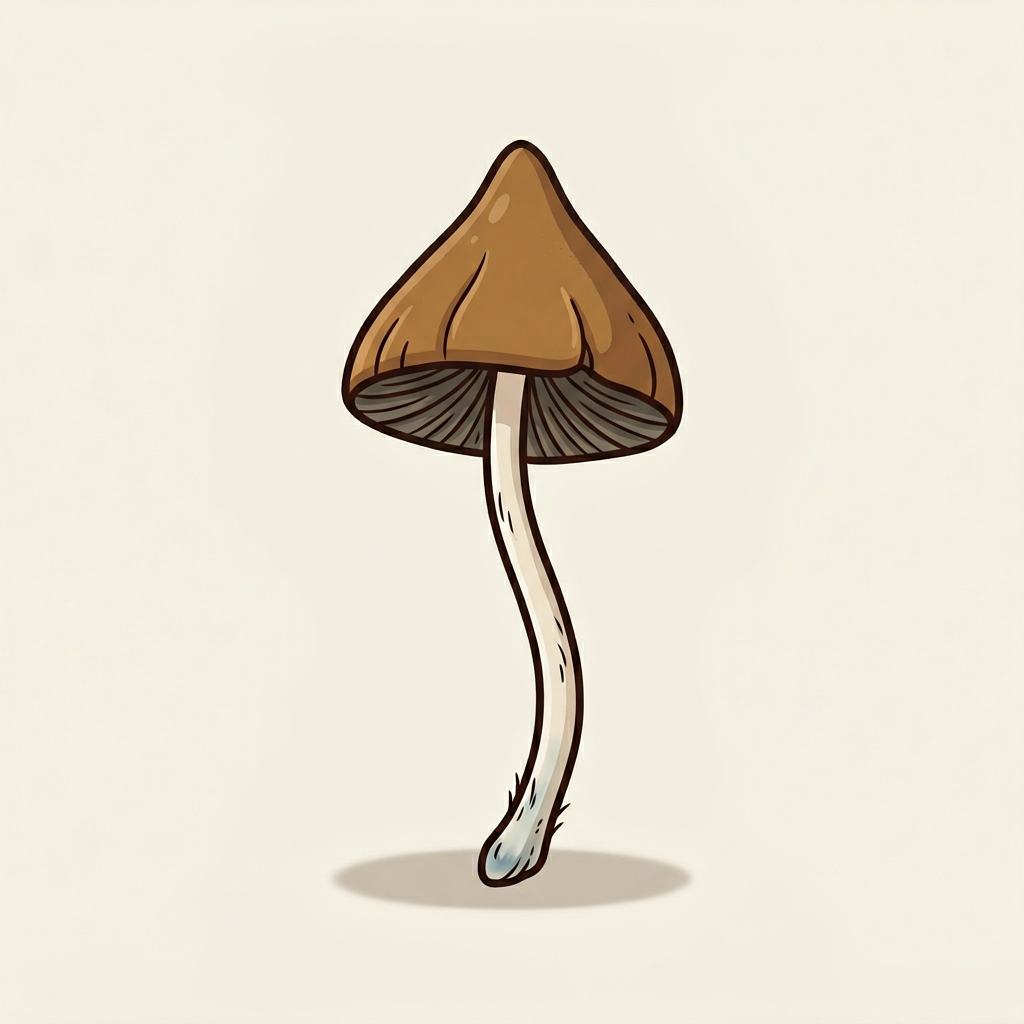
Liberty CapPsilocybe semilanceata
☠️ DeadlyBoth are small brown-capped mushrooms, but deadly galerina grows on WOOD with a distinctive ring on the stem and RUST-BROWN spores. Liberty caps grow in GRASS with no ring and PURPLE-BLACK spores. Substrate + spore color separate them.
🌳 Host Trees & Plants
This species is found with or partners with the following hosts. Ectomycorrhizal hosts (green border) form a root-level partnership; ericoid / arbutoid shrubs (purple border) share the same mycorrhizal networks.
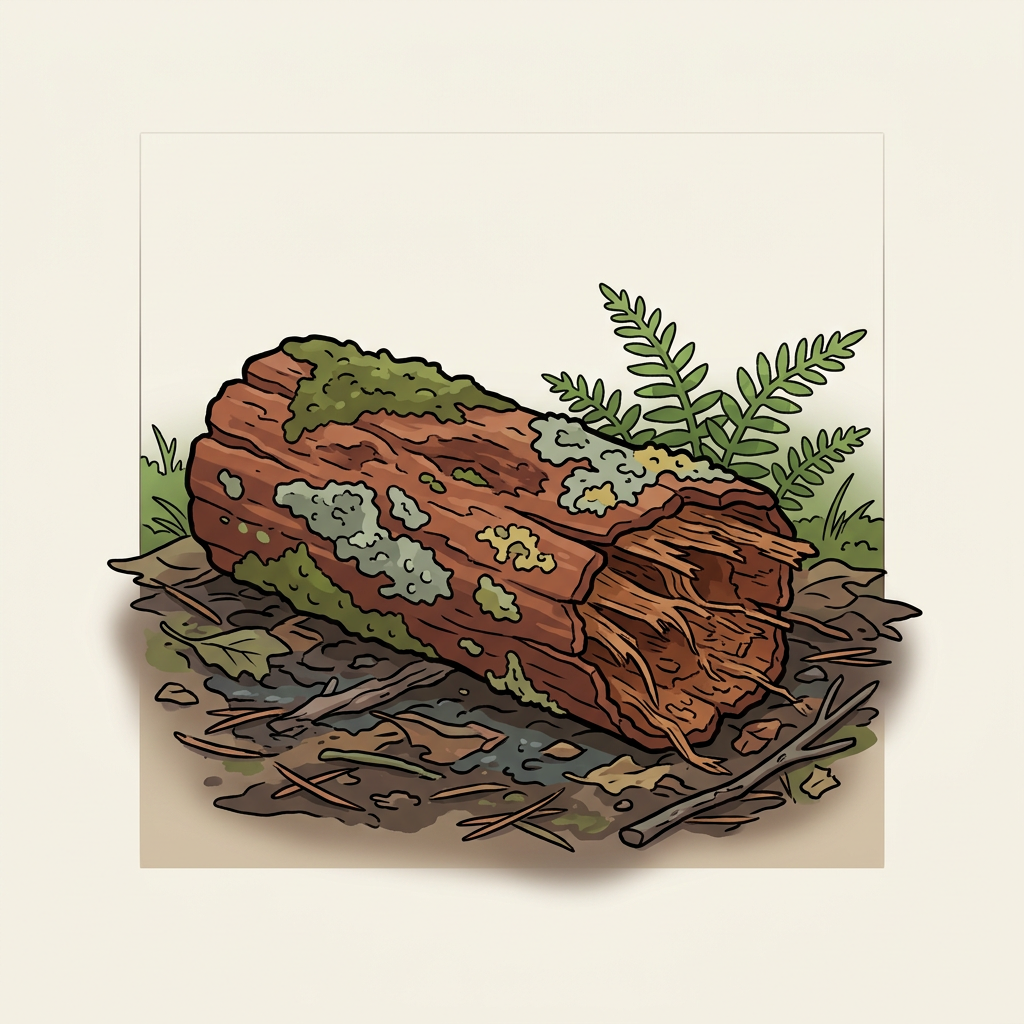
Rotting Wood
Saprobic substrate
Saprobic substrate
Decomposing wood of unspecified species — substrate for many generalist saprobic mushrooms.
Small brown woodland mushroom with the same amatoxins as the death cap. Fatal in very small quantities. Commonly confused with honey mushrooms (edible) and magic mushrooms (Psilocybe) — both confusions have killed people.
Habitat
Grows on decaying hardwood and conifer logs and buried wood. Common across temperate forests worldwide. Autumn primarily; some year-round fruiting in mild climates.
Season Windows by Region
Region
Jan
Feb
Mar
Apr
May
Jun
Jul
Aug
Sep
Oct
Nov
Dec
Daniel Boone NF
KY · 700–2,700 ft
Land Between the Lakes
KY · 350–750 ft
Shawnee NF
IL · 350–1,065 ft
Central IL Prairies
IL · 450–850 ft
NW IL Driftless
IL · 600–1,200 ft
Hoosier NF / Brown County
IN · 500–1,050 ft
Central IN
IN · 650–1,050 ft
NE Indiana
IN · 750–1,100 ft
Eastern IA River Valleys
IA · 550–1,100 ft
Southern IA
IA · 700–1,300 ft
Chattahoochee National Forest
GA · 1,200–4,784 ft
Apalachicola National Forest
FL · 10–300 ft
Ocala National Forest
FL · 20–200 ft
Myakka / Southwest Florida
FL · 5–100 ft
Berkshires / Western MA
MA · 500–3,491 ft
Northwest CT Hills
CT · 400–2,380 ft
Eastern Kansas River Valleys
KS · 750–1,200 ft
NE Kansas Woodlands
KS · 800–1,300 ft
Ozark NF
AR · 700–2,700 ft
Ouachita NF (AR)
AR · 600–2,700 ft
Buffalo National River
AR · 500–2,500 ft
Bankhead NF
AL · 600–1,100 ft
Talladega NF
AL · 700–2,407 ft
Kisatchie NF
LA · 80–400 ft
Western MD / Catoctin
MD · 700–3,360 ft
White Clay Creek
DE · 100–350 ft
Flint Hills
KS · 1,000–1,600 ft
Loess Hills
IA · 1,000–1,500 ft
NE Iowa Driftless / Effigy Mounds
IA · 650–1,250 ft
Oconee NF / GA Piedmont
GA · 400–800 ft
Atchafalaya Basin
LA · 5–50 ft
Conecuh NF
AL · 200–400 ft
Mobile-Tensaw Delta
AL · 0–50 ft
Okefenokee / SE GA
GA · 100–200 ft
Blackwater / FL Panhandle
FL · 50–300 ft
Smoky Hills / Wilson Lake
KS · 1,500–1,950 ft
Cape Cod National Seashore
MA · 0–306 ft
Pachaug SF / Eastern CT
CT · 200–500 ft
Trap Pond / DE Bald Cypress
DE · 20–80 ft
Pocomoke / Eastern Shore
MD · 0–50 ft
Growing Requirements
Min Soil Temp
55°F
Moisture Need
rain 0.5in 7d
Drought Tolerance
moderate
Elevation Range
0–4,784 ft
Look-Alikes
Armillaria mellea (Honey Mushroom)
Edible. Honey mushrooms have a PERSISTENT ring on the stem, white spore print, and grow in dense clusters. Galerina has a FLIMSY or absent ring, rust-brown spore print, scattered on wood.
Psilocybe spp. (Magic Mushrooms)
Psilocybes bruise blue; galerinas do not. Multiple fatalities from this confusion among recreational foragers.
Pholiota spp.
Edible pholiotas are more robust, scaly cap. Always take a spore print first.
Identification Tips
- ✓Take a spore print on every small brown mushroom on wood — galerina is rust-brown
- ✓Bruise test: galerina does NOT stain blue; psilocybes do
- ✓Never eat Galerina regardless of preparation — amatoxins are not destroyed by cooking, drying, or fermentation
- ✓Same medical emergency as death cap — call Poison Control and head to ER
Field Notes
Rotting wood
Found Deadly Galerina?
Photograph it and log your observation on iNaturalist. The community can help confirm your ID — always get confirmation before eating.
Safety: Never eat any wild mushroom without 100% certain identification from multiple sources. This page is for informational purposes only. When in doubt, throw it out.