Loading conditions…
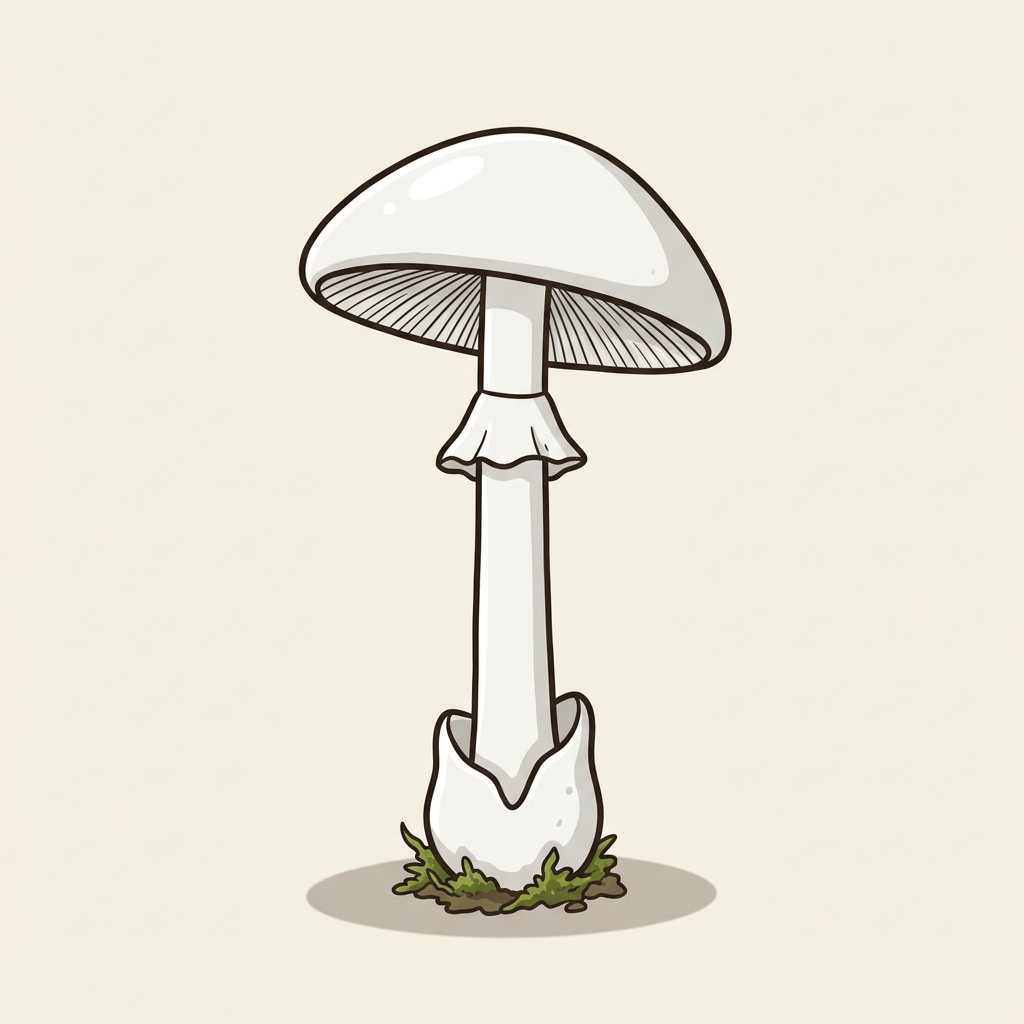
Edibility
Deadly
Lookalike Danger
4 / 5
Habitat
☠️ Mixed woods
Season
Jun – Oct
"Pure white, innocent-looking, absolutely lethal. Appears in summer after rain. Verify the volva."
⚠️ Do Not Confuse With
2 deadly mimicsMushroom ID is a rule-out game. Every entry below describes something that looks similar — learn the differences before eating.
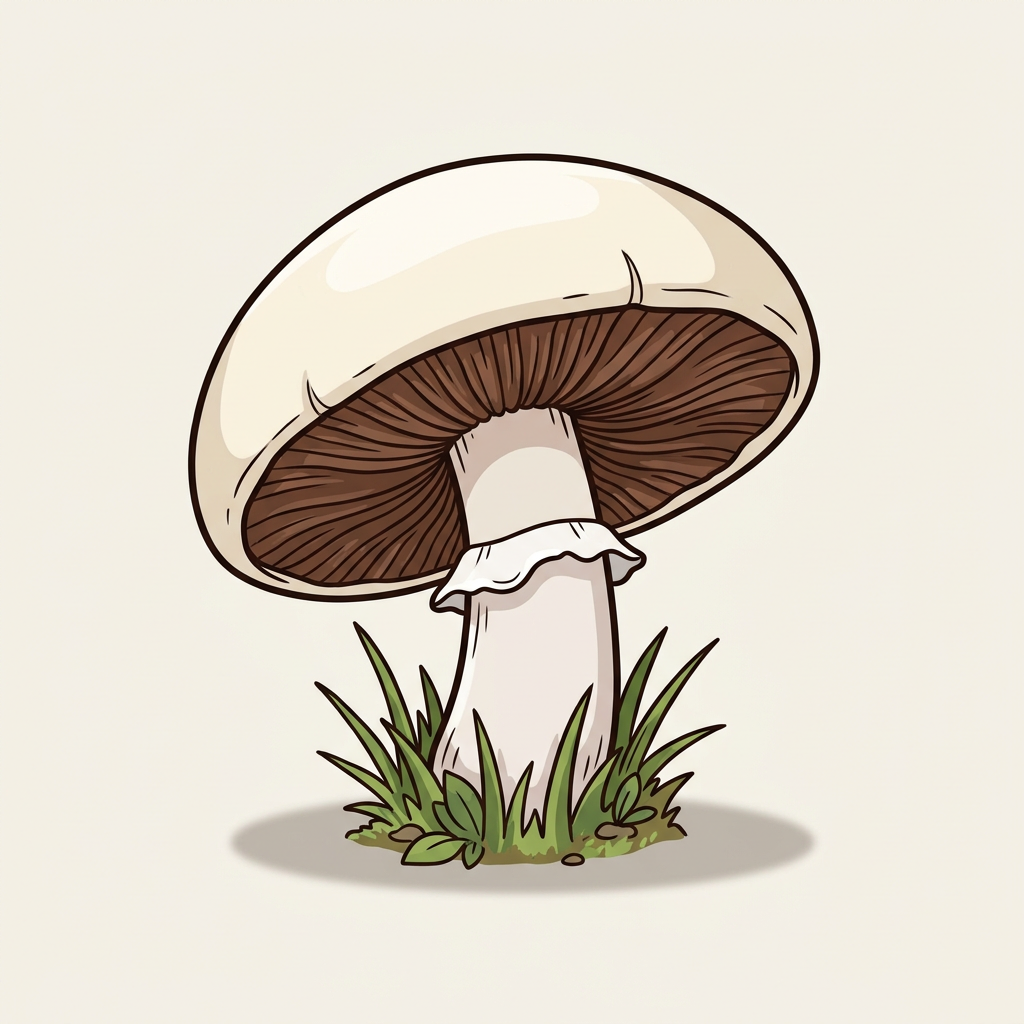
Meadow MushroomAgaricus campestris
☠️ DeadlyDestroying angels are pure white TOP TO BOTTOM with white gills and a WHITE VOLVA. Meadow mushrooms have PINK-TO-BROWN gills and NO VOLVA. If in doubt about a young all-white agaric, leave it — most deadly amanita poisonings are this mistake.
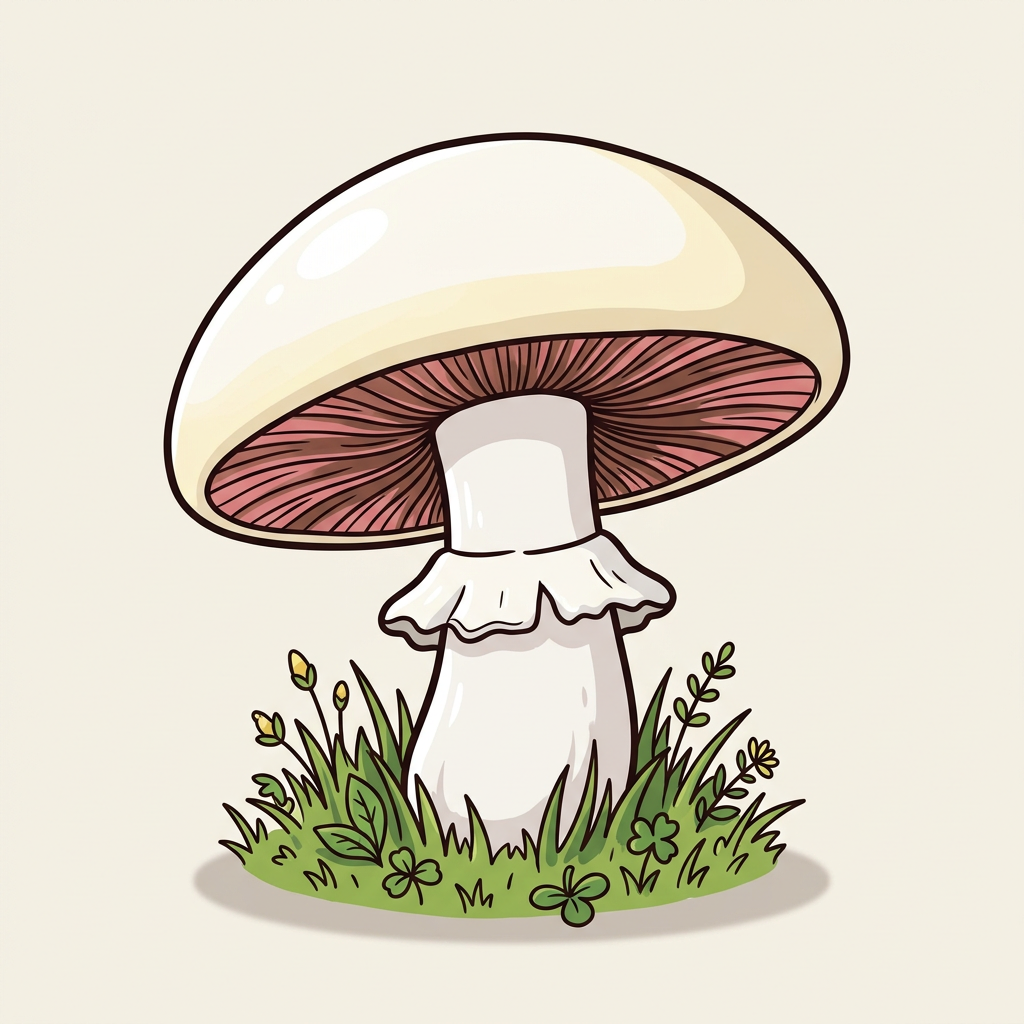
Horse MushroomAgaricus arvensis
☠️ DeadlyHorse mushrooms smell of ANISE, have PINK-TO-CHOCOLATE gills, and no volva. Destroying angels are ODORLESS, have WHITE gills throughout life, and rise from a white cup-like volva.
🌳 Host Trees & Plants
This species is found with or partners with the following hosts. Ectomycorrhizal hosts (green border) form a root-level partnership; ericoid / arbutoid shrubs (purple border) share the same mycorrhizal networks.
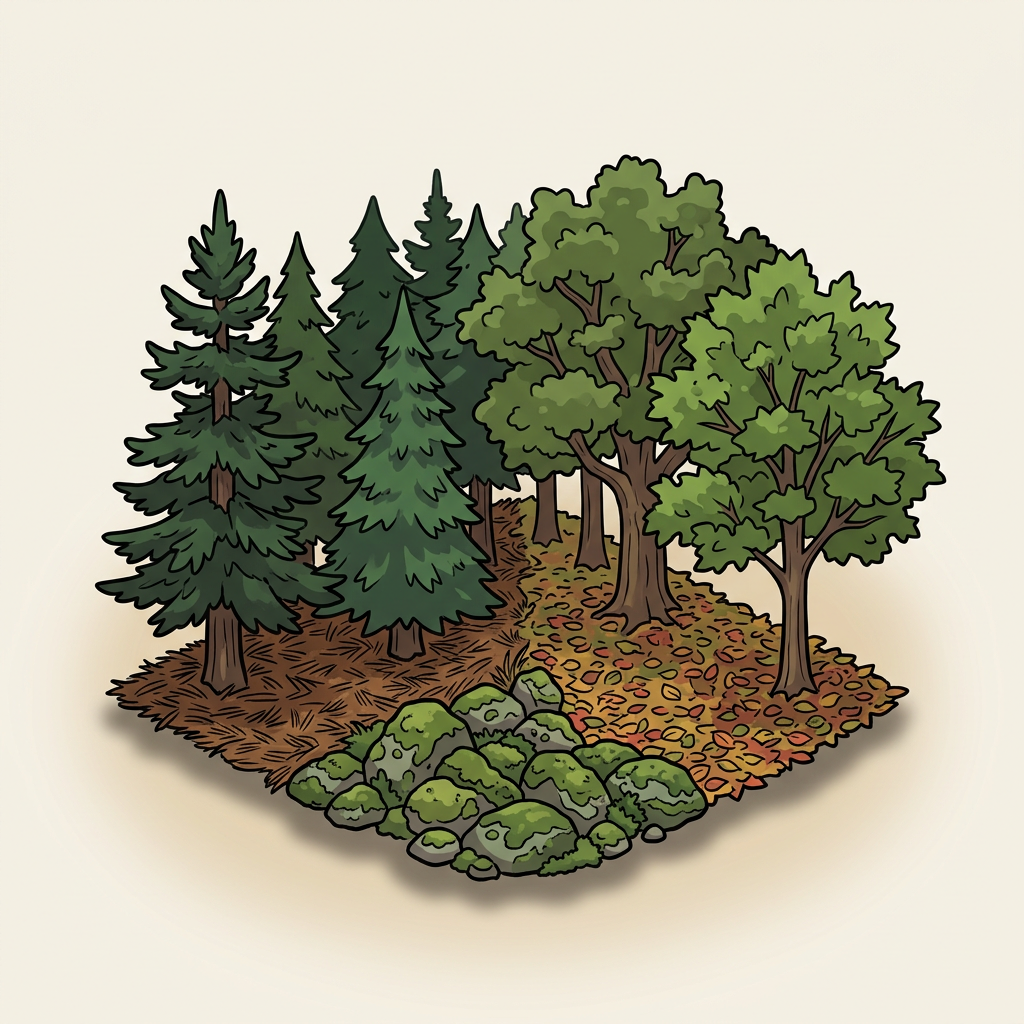
Mixed Forest
Mixed conifer + hardwood
Saprobic substrate
Mixed conifer and hardwood forest — widespread habitat for generalist ECM mushrooms.
Pure white, innocent-looking, absolutely lethal. Contains the same amatoxins as the death cap. North America has several near-identical species: A. bisporigera (East), A. ocreata (West Coast), A. virosa (Eurasia), A. verna.
Habitat
Mixed and hardwood forests across eastern North America. Appears in summer and fall after rain. A. ocreata fruits spring-early summer on the West Coast.
Season Windows by Region
Region
Jan
Feb
Mar
Apr
May
Jun
Jul
Aug
Sep
Oct
Nov
Dec
Daniel Boone NF
KY · 700–2,700 ft
Land Between the Lakes
KY · 350–750 ft
Shawnee NF
IL · 350–1,065 ft
Central IL Prairies
IL · 450–850 ft
NW IL Driftless
IL · 600–1,200 ft
Hoosier NF / Brown County
IN · 500–1,050 ft
Central IN
IN · 650–1,050 ft
NE Indiana
IN · 750–1,100 ft
Eastern IA River Valleys
IA · 550–1,100 ft
Southern IA
IA · 700–1,300 ft
Chattahoochee National Forest
GA · 1,200–4,784 ft
Apalachicola National Forest
FL · 10–300 ft
Ocala National Forest
FL · 20–200 ft
Myakka / Southwest Florida
FL · 5–100 ft
Berkshires / Western MA
MA · 500–3,491 ft
Northwest CT Hills
CT · 400–2,380 ft
Eastern Kansas River Valleys
KS · 750–1,200 ft
NE Kansas Woodlands
KS · 800–1,300 ft
Ozark NF
AR · 700–2,700 ft
Ouachita NF (AR)
AR · 600–2,700 ft
Buffalo National River
AR · 500–2,500 ft
Bankhead NF
AL · 600–1,100 ft
Talladega NF
AL · 700–2,407 ft
Kisatchie NF
LA · 80–400 ft
Western MD / Catoctin
MD · 700–3,360 ft
White Clay Creek
DE · 100–350 ft
Flint Hills
KS · 1,000–1,600 ft
Loess Hills
IA · 1,000–1,500 ft
NE Iowa Driftless / Effigy Mounds
IA · 650–1,250 ft
Oconee NF / GA Piedmont
GA · 400–800 ft
Atchafalaya Basin
LA · 5–50 ft
Conecuh NF
AL · 200–400 ft
Mobile-Tensaw Delta
AL · 0–50 ft
Okefenokee / SE GA
GA · 100–200 ft
Blackwater / FL Panhandle
FL · 50–300 ft
Smoky Hills / Wilson Lake
KS · 1,500–1,950 ft
Cape Cod National Seashore
MA · 0–306 ft
Pachaug SF / Eastern CT
CT · 200–500 ft
Trap Pond / DE Bald Cypress
DE · 20–80 ft
Pocomoke / Eastern Shore
MD · 0–50 ft
Growing Requirements
Min Soil Temp
55°F
Moisture Need
rain 0.5in 7d
Drought Tolerance
moderate
Elevation Range
0–4,784 ft
Look-Alikes
Agaricus campestris (Meadow Mushroom)
Edible — but Agaricus has PINK then BROWN gills. Destroying angel has WHITE gills. Many deaths come from this confusion.
Young puffballs
Slice vertically — a young Amanita shows the embryonic mushroom inside. A true puffball is solid white throughout.
Identification Tips
- ✓All-white mushroom with a ring AND a sack at the base = do not touch
- ✓Slice vertically before eating any white lawn or woodland "puffball"
- ✓Symptoms START 6-24h after ingestion and falsely improve on day 2 — liver failure hits days 3-5
- ✓If ingested, induce vomiting and go to ER immediately — time-critical
Field Notes
Mixed woods
Found Destroying Angel?
Photograph it and log your observation on iNaturalist. The community can help confirm your ID — always get confirmation before eating.
Safety: Never eat any wild mushroom without 100% certain identification from multiple sources. This page is for informational purposes only. When in doubt, throw it out.