Loading conditions…
Edibility
Choice
Lookalike Danger
2 / 5
Habitat
🌲 Conifer, spruce
Season
Jul – Sep
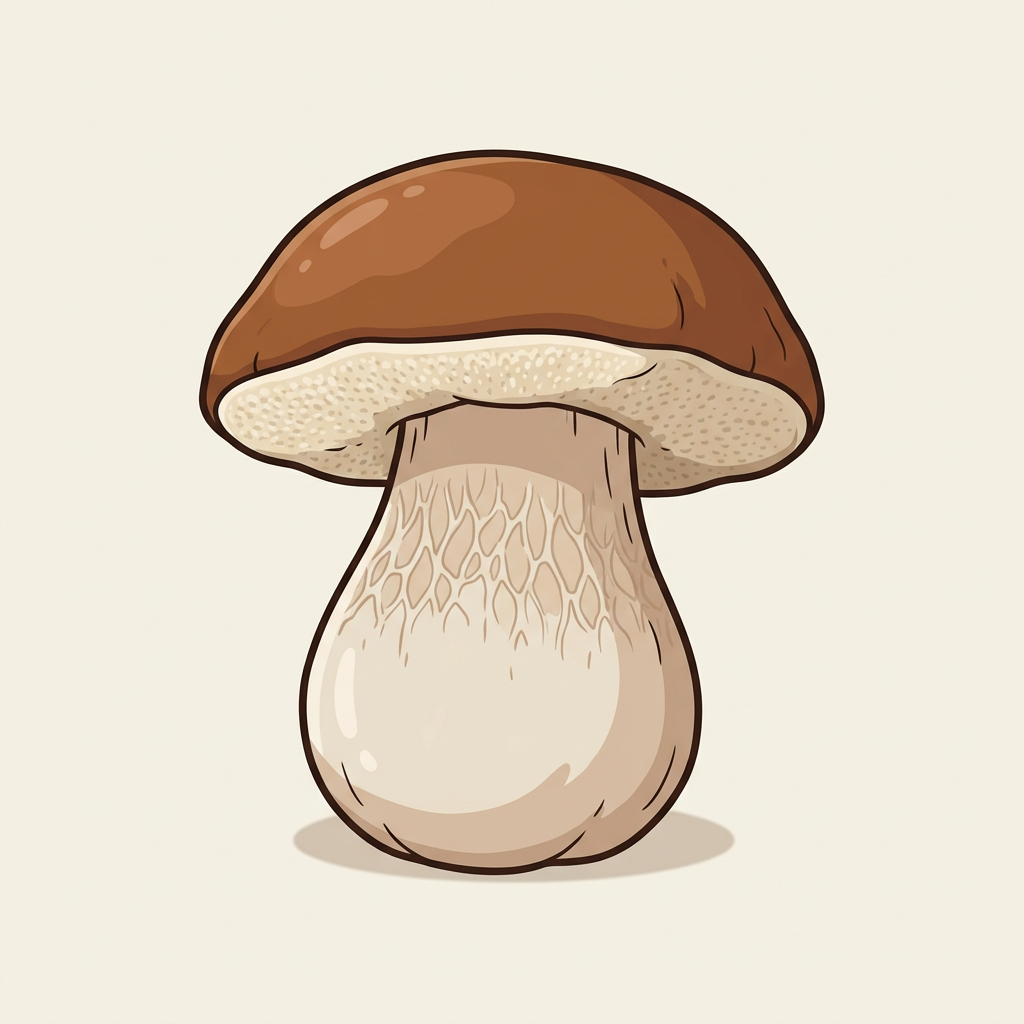
"The porcini. Bulbous stem, sticky cap after rain. A single find can feed a dinner party."
⚠️ Do Not Confuse With
Mushroom ID is a rule-out game. Every entry below describes something that looks similar — learn the differences before eating.
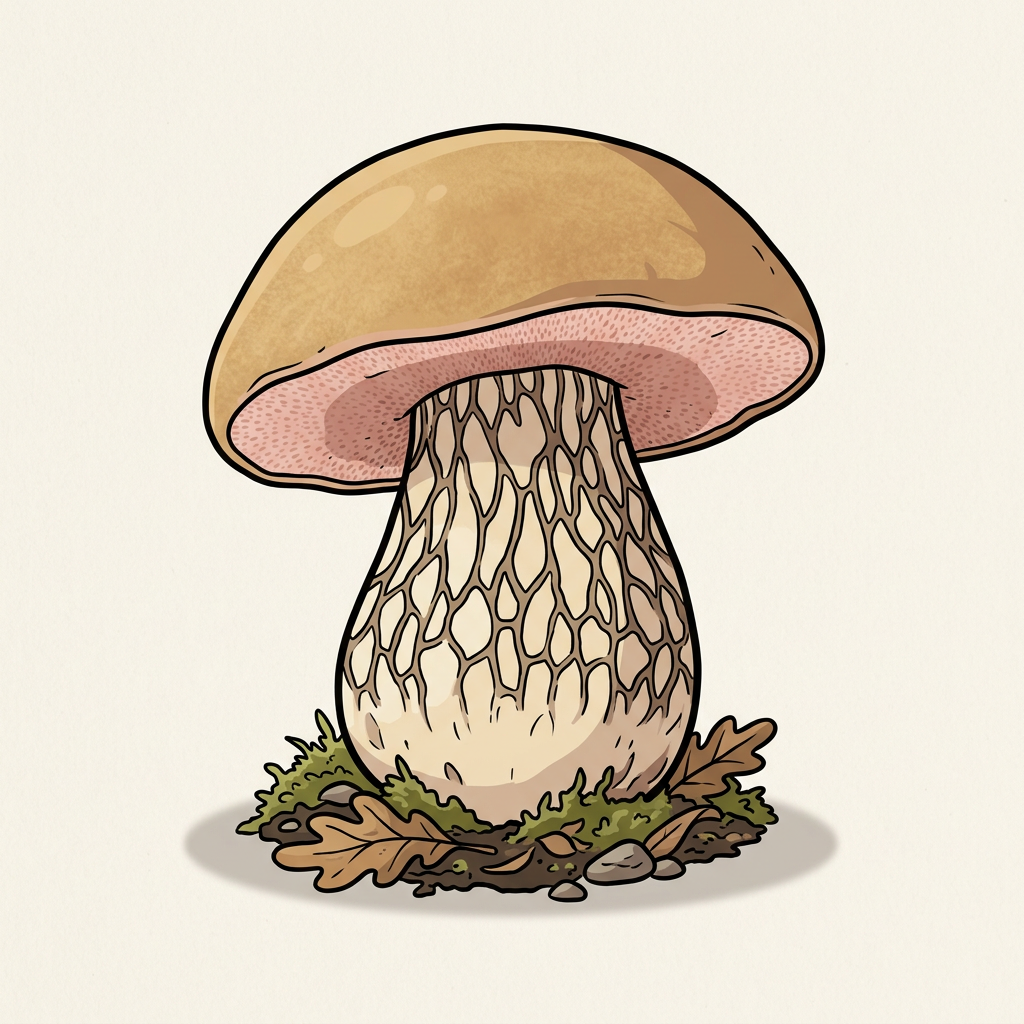
Bitter BoleteTylopilus felleus
🤢 UnpalatableBitter bolete (Tylopilus felleus) has PINK pore surface (king bolete is WHITE → yellow-green), a dark NET on the stem (king has a FAINT white net), and an overwhelmingly BITTER taste — taste a dab before picking a bag.
🌳 Host Trees & Plants
This species is found with or partners with the following hosts. Ectomycorrhizal hosts (green border) form a root-level partnership; ericoid / arbutoid shrubs (purple border) share the same mycorrhizal networks.
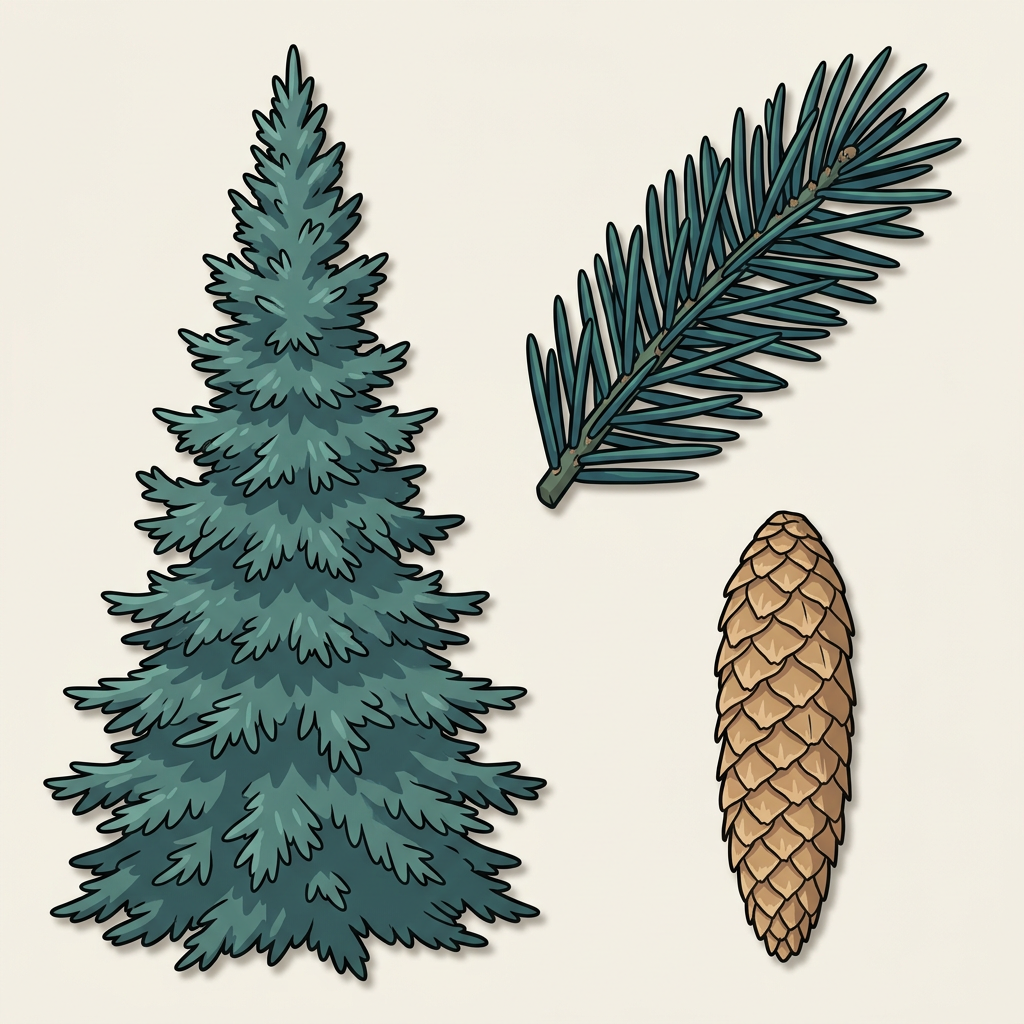
Spruce
Picea spp.
Ectomycorrhizal · Forageable
King bolete, spruce tips edible.
Conifer Forest
Pinaceae (generic)
Ectomycorrhizal
Generic conifer habitat — pine, spruce, fir, hemlock, or Douglas-fir. Shown when the species is reported from conifers without a specific tree.
The king of Colorado mushrooms. Thick white stem with a brown cap and spongy pore surface underneath (no gills). One of the most sought-after wild mushrooms in the world.
Habitat
Spruce-fir forests above 9,000 ft. Mycorrhizal with Engelmann spruce and subalpine fir. Fruits after sustained moisture events during summer monsoon season.
Season Windows by Region
Region
Jan
Feb
Mar
Apr
May
Jun
Jul
Aug
Sep
Oct
Nov
Dec
Jones Pass Road
9,000–11,500 ft
Gordon Gulch / Nederland
9,000–11,500 ft
Kenosha Pass
9,000–11,500 ft
Guanella Pass Corridor
9,000–11,500 ft
Vasquez Creek / Winter Park
9,000–11,500 ft
Gunnison NF North — Crested Butte
8,500–12,000 ft
Gunnison NF South — Almont/Pitkin
8,500–12,000 ft
Cottonwood Pass
8,500–12,000 ft
San Juan NF — Pagosa Corridor
8,500–12,000 ft
San Juan NF — Silverton/Durango
8,500–12,000 ft
Grand Mesa
8,500–12,000 ft
Superior NF / BWCA
MN · 1,300–2,301 ft
Chippewa NF
MN · 1,200–1,500 ft
Adirondacks
NY · 1,000–5,344 ft
MN North Shore / Sawtooth
MN · 600–2,301 ft
Lewis & Clark NF / Little Belts
MT · 4,500–8,678 ft
Angeles NF / San Gabriel Mountains
CA · 1,500–10,064 ft
Los Padres NF / Big Sur
CA · 0–8,831 ft
Chiricahua / Madrean Sky Islands
AZ · 4,500–9,759 ft
Santa Catalina Mountains / Mt Lemmon
AZ · 2,500–9,157 ft
Lincoln NF / Sacramento Mtns
NM · 4,500–11,973 ft
Sandia Mountains / Cibola NF
NM · 5,000–10,678 ft
Davis Mountains / West TX
TX · 4,000–8,378 ft
Shasta-Trinity NF
CA · 1,500–14,179 ft
Mendocino NF / Yolla Bolly
CA · 1,500–8,092 ft
Sequoia NF / Kern Plateau
CA · 1,500–9,000 ft
Umpqua NF / Diamond Lake
OR · 1,000–9,173 ft
Siuslaw NF / Oregon Dunes
OR · 0–4,097 ft
Ochoco NF / Central OR
OR · 3,000–7,993 ft
Colville NF / Selkirks
WA · 1,800–7,309 ft
Growing Requirements
Min Soil Temp
50°F
Moisture Need
rain 0.3in 5d
Drought Tolerance
low
Elevation Range
0–14,179 ft
Look-Alikes
Tylopilus felleus (Bitter Bolete)
Not dangerous but extremely bitter — tastes terrible. Pink pore surface when mature.
Identification Tips
- ✓Check the pore surface — should be white to yellowish-green, never pink
- ✓Firm specimens are best; soft ones are often wormy
- ✓Cut in half to check for worm tunnels before keeping
- ✓Best found 2-5 days after significant rain at elevation
Field Notes
Spruce-fir and mixed conifer above 9,000 ft. Often found near Engelmann spruce.
Found King Bolete?
Photograph it and log your observation on iNaturalist. The community can help confirm your ID — always get confirmation before eating.
Safety: Never eat any wild mushroom without 100% certain identification from multiple sources. This page is for informational purposes only. When in doubt, throw it out.