Loading conditions…
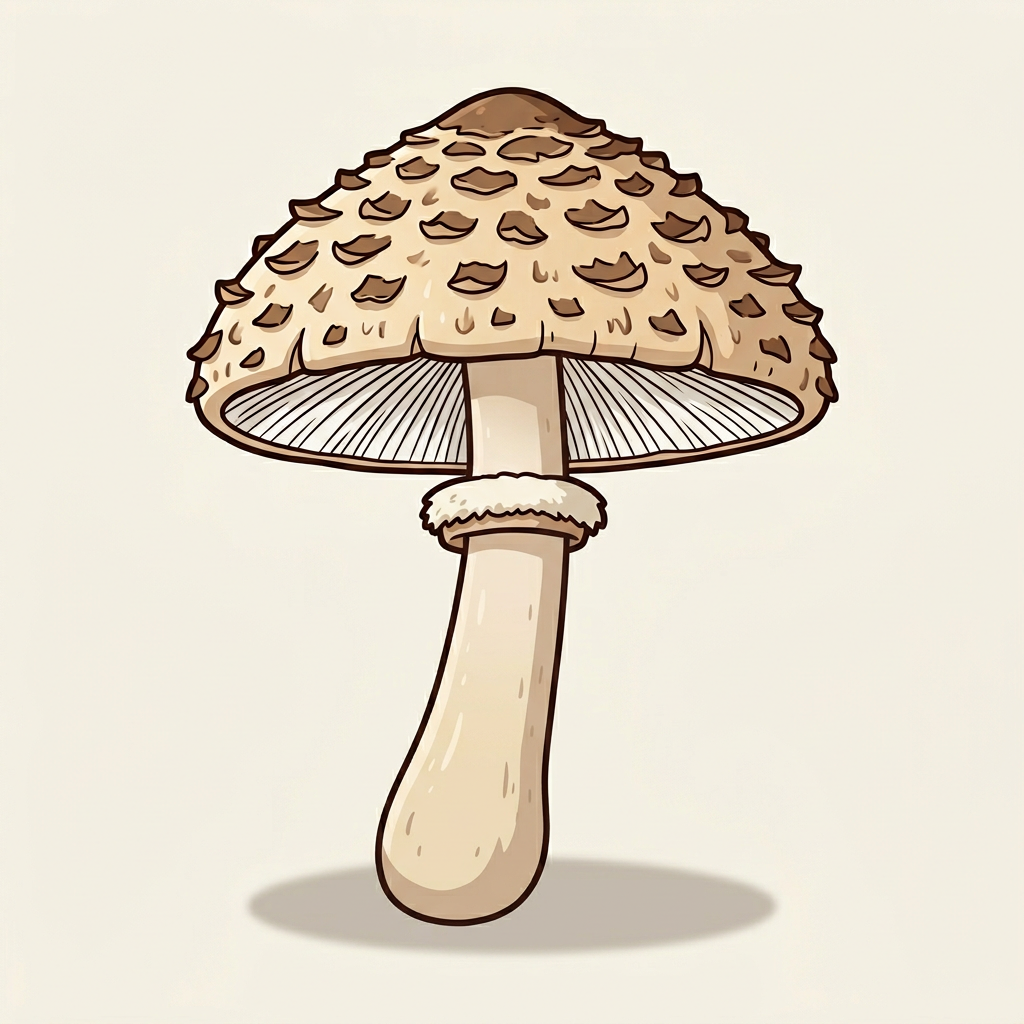
Edibility
Edible
Lookalike Danger
3 / 5
Habitat
🌱 Lawns, disturbed
Season
Jul – Oct
"Looks like parasol but flesh turns reddish when cut. Safe for most — ~10% have GI reactions. Always trial cook."
🌳 Host Trees & Plants
This species is found with or partners with the following hosts. Ectomycorrhizal hosts (green border) form a root-level partnership; ericoid / arbutoid shrubs (purple border) share the same mycorrhizal networks.
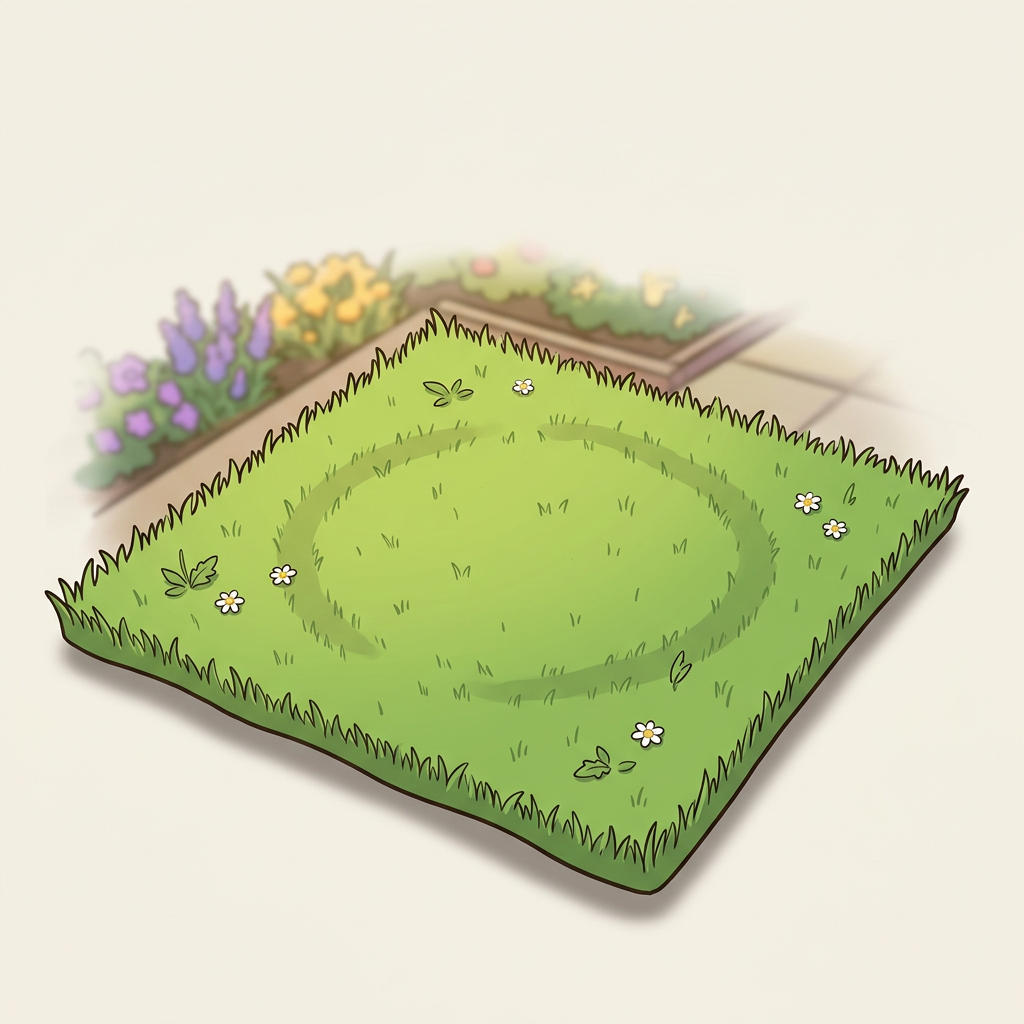
Lawn / Turf
Manicured grass
Saprobic substrate
Manicured turf and lawns — shaggy mane, green-gill lepiota, yellow-stainer. Check for herbicide use before eating anything from a lawn.
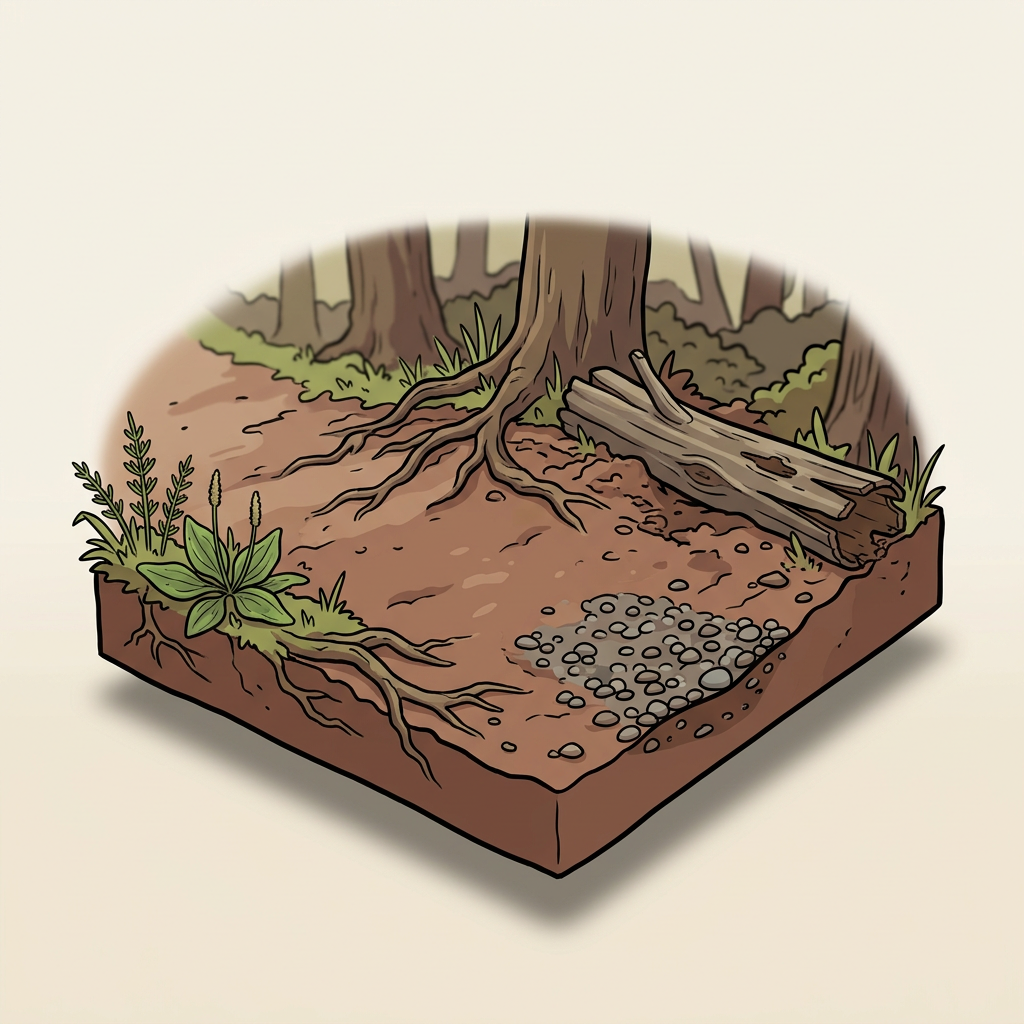
Disturbed Ground
Edge / compacted soil
Saprobic substrate
Road edges, construction scars, trail sides, and compacted disturbed soil — orange peel fungus, alcohol inky, common edge colonizers.
Large scaly-capped lawn mushroom similar to parasol but without the snakeskin stem. Causes GI upset in a minority of people — test with a small portion first. Flesh turns pink-orange when cut.
Habitat
Lawns, gardens, compost heaps, rich soil across North America. Summer and fall.
Season Windows by Region
Region
Jan
Feb
Mar
Apr
May
Jun
Jul
Aug
Sep
Oct
Nov
Dec
Clearwater Mountains
ID · 2,500–7,500 ft
North Cascades
WA · 1,500–8,000 ft
Central Cascades / Snoqualmie
WA · 1,500–7,000 ft
Olympic Peninsula
WA · 500–6,000 ft
Gifford Pinchot / South Cascades
WA · 1,000–8,000 ft
Okanogan Highlands
WA · 2,500–7,500 ft
Mt Hood / North Oregon Cascades
OR · 2,000–8,000 ft
Ozark Highlands
MO · 800–1,772 ft
Missouri River Valley
MO · 500–1,200 ft
Mark Twain National Forest
MO · 600–1,600 ft
Northeast Missouri Prairies
MO · 600–1,000 ft
Daniel Boone NF
KY · 700–2,700 ft
Land Between the Lakes
KY · 350–750 ft
Shawnee NF
IL · 350–1,065 ft
Central IL Prairies
IL · 450–850 ft
NW IL Driftless
IL · 600–1,200 ft
Hoosier NF / Brown County
IN · 500–1,050 ft
Central IN
IN · 650–1,050 ft
NE Indiana
IN · 750–1,100 ft
Hocking Hills
OH · 650–1,150 ft
Wayne NF
OH · 600–1,400 ft
NE Ohio
OH · 650–1,350 ft
SW Michigan
MI · 580–1,000 ft
Central MI
MI · 700–1,400 ft
Northern Lower Peninsula
MI · 600–1,700 ft
Upper Peninsula
MI · 600–1,979 ft
WI Driftless Area
WI · 650–1,700 ft
Central WI
WI · 750–1,400 ft
Northern WI
WI · 1,000–1,950 ft
Eastern IA River Valleys
IA · 550–1,100 ft
Southern IA
IA · 700–1,300 ft
SE MN Driftless
MN · 650–1,350 ft
Central MN
MN · 900–1,500 ft
Monongahela National Forest
WV · 1,500–4,863 ft
New River Gorge
WV · 800–3,200 ft
Shenandoah / Blue Ridge
VA · 1,000–4,049 ft
Southwest Virginia Highlands
VA · 2,000–5,729 ft
Central PA Ridges
PA · 800–2,500 ft
Allegheny National Forest
PA · 1,000–2,300 ft
Pocono Mountains
PA · 800–2,200 ft
Catskills / Hudson Valley
NY · 400–4,180 ft
Finger Lakes / Central NY
NY · 500–2,000 ft
Great Smoky Mountains
TN · 900–6,643 ft
Cumberland Plateau
TN · 1,000–3,500 ft
Western NC Mountains
NC · 2,000–6,684 ft
Foothills / Piedmont Transition
NC · 800–2,500 ft
Chattahoochee National Forest
GA · 1,200–4,784 ft
Apalachicola National Forest
FL · 10–300 ft
Ocala National Forest
FL · 20–200 ft
Myakka / Southwest Florida
FL · 5–100 ft
Acadia / Down East
ME · 0–1,530 ft
Western Maine
ME · 400–4,170 ft
Northern Maine
ME · 500–5,267 ft
White Mountains
NH · 800–6,288 ft
Lakes Region / Southern NH
NH · 300–1,800 ft
Green Mountains
VT · 800–4,393 ft
Northeast Kingdom
VT · 600–3,300 ft
Berkshires / Western MA
MA · 500–3,491 ft
Northwest CT Hills
CT · 400–2,380 ft
Arcadia / South County
RI · 0–812 ft
Eastern Kansas River Valleys
KS · 750–1,200 ft
NE Kansas Woodlands
KS · 800–1,300 ft
Willamette Valley / Columbia Gorge
OR · 200–1,500 ft
Turtle Mountain SF
ND · 1,800–2,400 ft
Pembina Gorge
ND · 850–1,500 ft
Niobrara River Valley
NE · 1,900–2,700 ft
Ouachita NF (OK)
OK · 600–2,500 ft
Ozark Plateau (NE OK)
OK · 700–1,800 ft
Wichita Mountains
OK · 1,200–2,479 ft
Sam Houston NF
TX · 80–350 ft
Big Thicket
TX · 50–400 ft
Davy Crockett NF
TX · 200–500 ft
Hill Country
TX · 1,000–2,500 ft
Ozark NF
AR · 700–2,700 ft
Ouachita NF (AR)
AR · 600–2,700 ft
Buffalo National River
AR · 500–2,500 ft
Bankhead NF
AL · 600–1,100 ft
Talladega NF
AL · 700–2,407 ft
De Soto NF
MS · 100–400 ft
Kisatchie NF
LA · 80–400 ft
Sumter NF (Andrew Pickens)
SC · 800–3,500 ft
Francis Marion NF
SC · 10–100 ft
Western MD / Catoctin
MD · 700–3,360 ft
White Clay Creek
DE · 100–350 ft
NW NJ / High Point
NJ · 400–1,803 ft
Flint Hills
KS · 1,000–1,600 ft
Superior NF / BWCA
MN · 1,300–2,301 ft
Chippewa NF
MN · 1,200–1,500 ft
Loess Hills
IA · 1,000–1,500 ft
NE Iowa Driftless / Effigy Mounds
IA · 650–1,250 ft
Uwharrie NF
NC · 400–1,100 ft
Croatan NF
NC · 0–150 ft
George Washington NF
VA · 1,000–4,397 ft
Oconee NF / GA Piedmont
GA · 400–800 ft
Holly Springs NF
MS · 300–600 ft
Atchafalaya Basin
LA · 5–50 ft
Adirondacks
NY · 1,000–5,344 ft
Laurel Highlands
PA · 1,200–3,213 ft
Cherokee NF
TN · 1,000–6,285 ft
Conecuh NF
AL · 200–400 ft
Mobile-Tensaw Delta
AL · 0–50 ft
Tombigbee NF
MS · 300–700 ft
Congaree NP
SC · 100–200 ft
Okefenokee / SE GA
GA · 100–200 ft
Blackwater / FL Panhandle
FL · 50–300 ft
MN North Shore / Sawtooth
MN · 600–2,301 ft
Oak Openings / NW Ohio
OH · 620–720 ft
NJ Pine Barrens
NJ · 0–200 ft
Eastern NE / Missouri Bluffs
NE · 900–1,350 ft
SE South Dakota / Newton Hills
SD · 1,300–1,550 ft
Sheyenne NG Oak Savanna
ND · 1,000–1,350 ft
Minnesota River Valley
MN · 800–1,150 ft
Osage Hills / Cross Timbers
OK · 700–1,250 ft
Smoky Hills / Wilson Lake
KS · 1,500–1,950 ft
Cape Cod National Seashore
MA · 0–306 ft
Pachaug SF / Eastern CT
CT · 200–500 ft
Trap Pond / DE Bald Cypress
DE · 20–80 ft
Pocomoke / Eastern Shore
MD · 0–50 ft
Great Swamp / Central RI
RI · 10–120 ft
Growing Requirements
Min Soil Temp
58°F
Moisture Need
rain 0.5in 7d
Drought Tolerance
moderate
Elevation Range
0–8,000 ft
Look-Alikes
Chlorophyllum molybdites (Green Gill)
TOXIC — the most common poisonous lookalike. Gills turn GREEN with age. Always wait for mature gills or spore print.
Macrolepiota procera (Parasol)
Choice edible. Taller, snakeskin stem.
Identification Tips
- ✓Spore print must be WHITE — green = toxic Chlorophyllum molybdites
- ✓Cut flesh turns pink-orange (parasol stays white)
- ✓Test-eat a small portion the first time — roughly 10-15% of foragers react
Field Notes
Lawns, disturbed
Found Shaggy Parasol?
Photograph it and log your observation on iNaturalist. The community can help confirm your ID — always get confirmation before eating.
Safety: Never eat any wild mushroom without 100% certain identification from multiple sources. This page is for informational purposes only. When in doubt, throw it out.