Loading conditions…
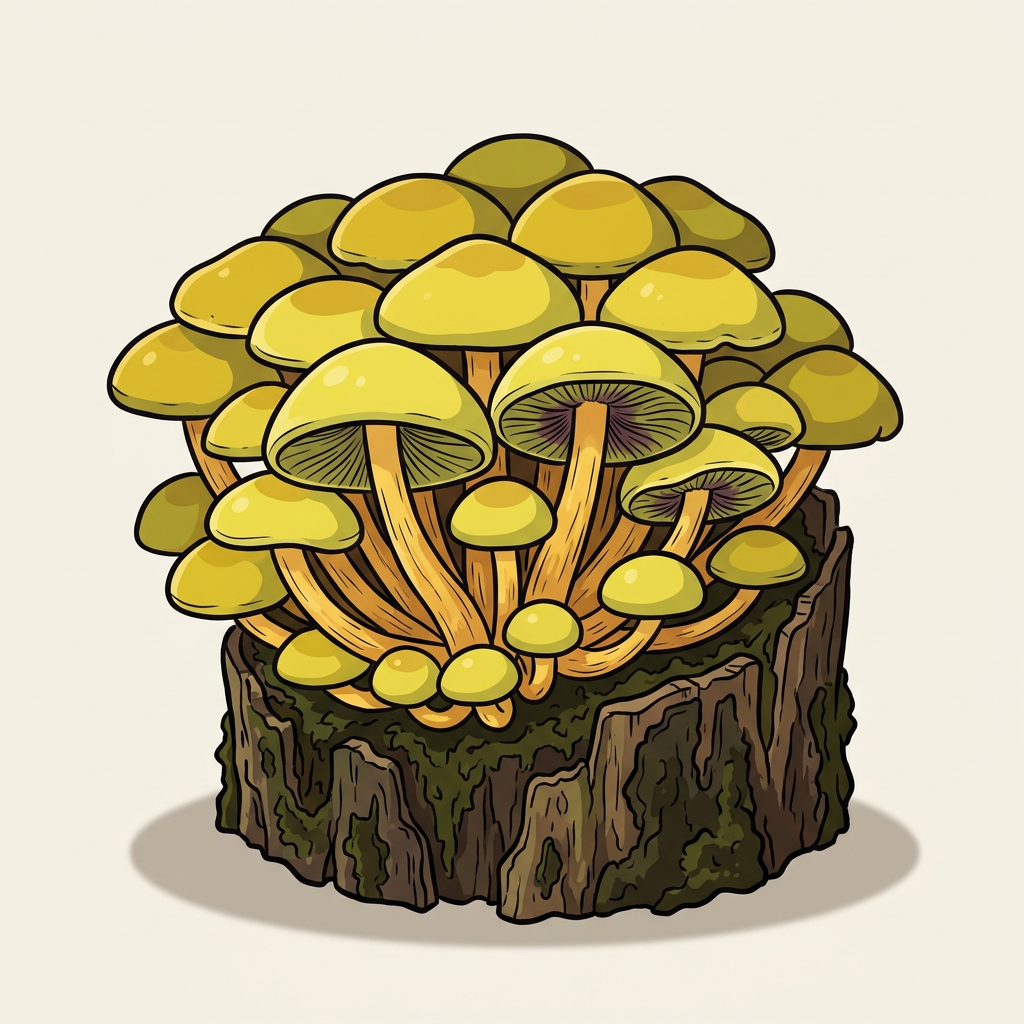
Edibility
Toxic
Lookalike Danger
2 / 5
Habitat
🪵 Dead wood
Season
Sep – Nov
"Bitter yellow clusters on stumps. Severe gastro. The most commonly misidentified toxic mushroom in North America."
⚠️ Do Not Confuse With
Mushroom ID is a rule-out game. Every entry below describes something that looks similar — learn the differences before eating.
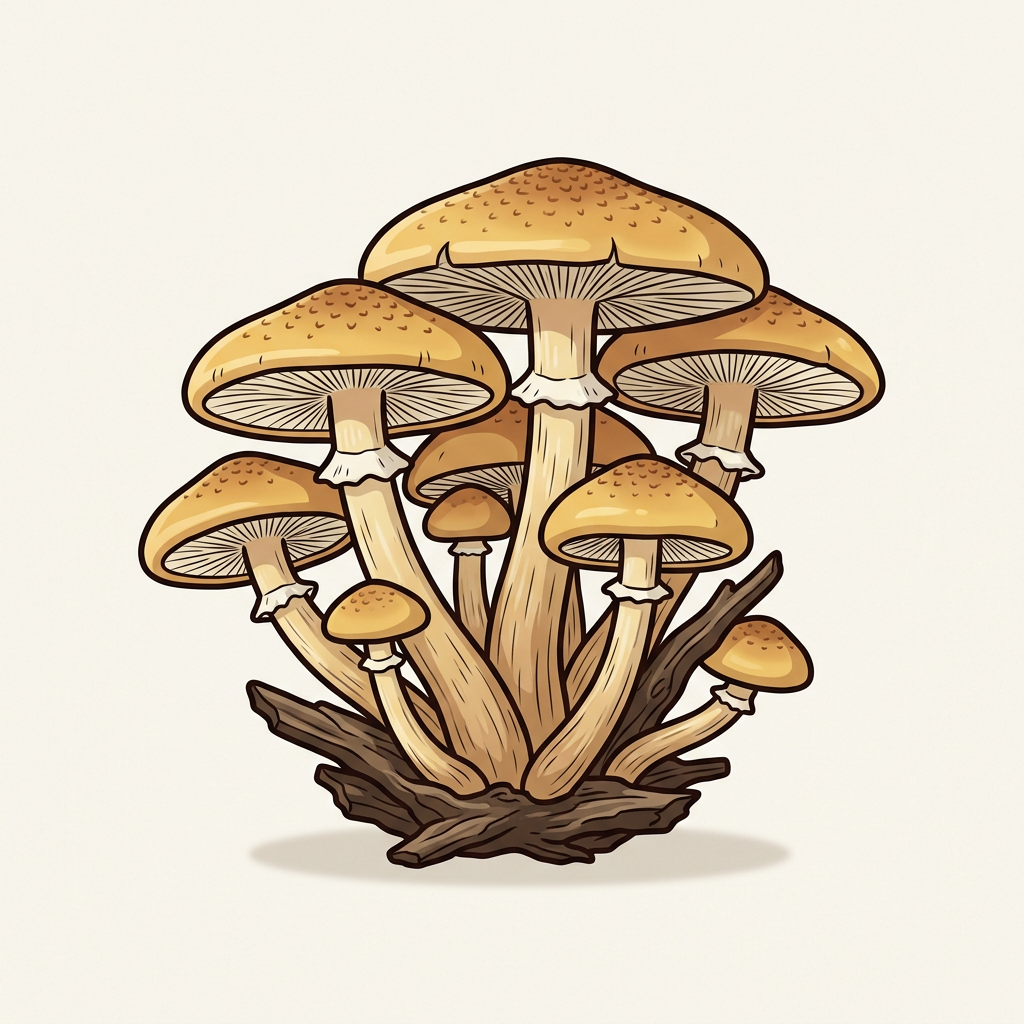
Honey MushroomArmillaria mellea
⚠️ ToxicSulphur tufts have GREENISH-YELLOW GILLS darkening to olive-purple, extremely BITTER taste, and tight clusters on wood. Honey mushrooms have CREAM to pale-pink gills and a mild mushroomy taste. When in doubt, taste a tiny piece raw and spit — bitter = stop.
🌳 Host Trees & Plants
This species is found with or partners with the following hosts. Ectomycorrhizal hosts (green border) form a root-level partnership; ericoid / arbutoid shrubs (purple border) share the same mycorrhizal networks.
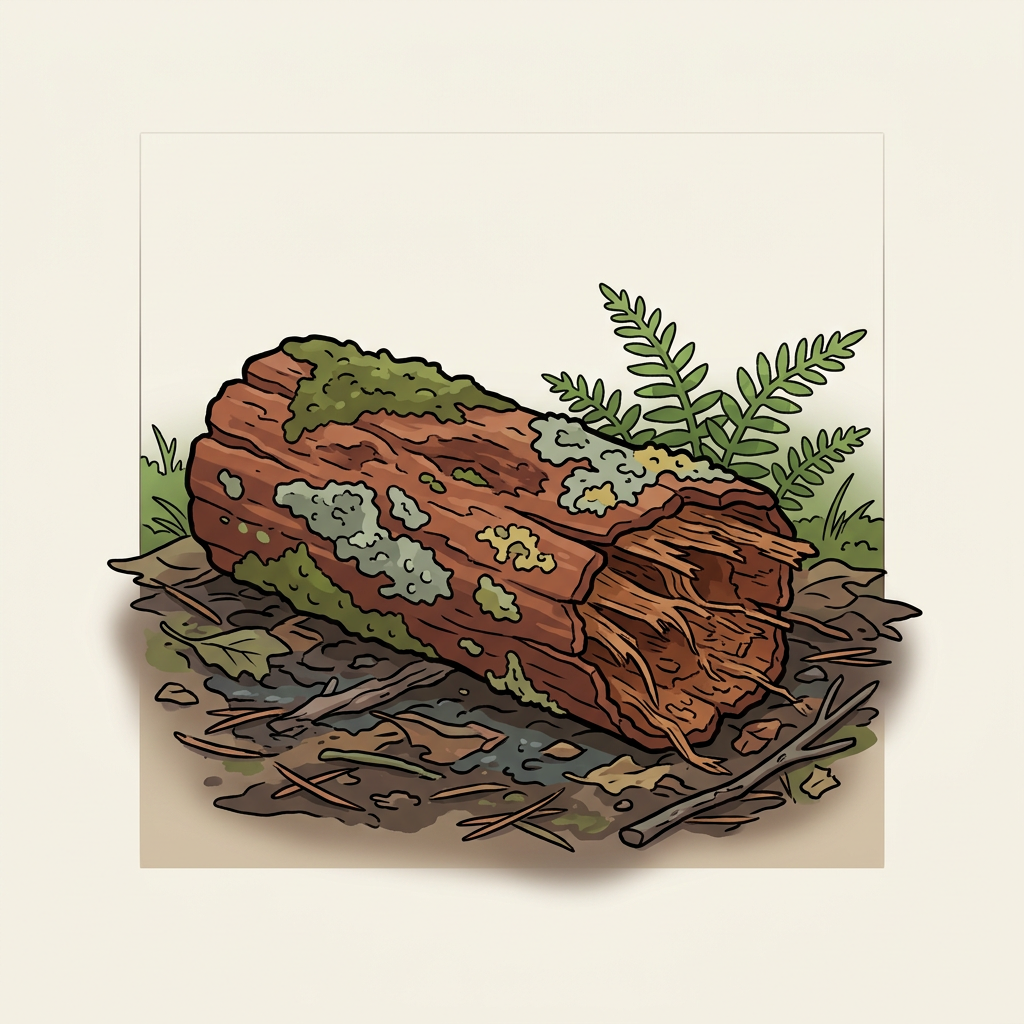
Rotting Wood
Saprobic substrate
Saprobic substrate
Decomposing wood of unspecified species — substrate for many generalist saprobic mushrooms.
Yellow-capped cluster mushroom with olive-green to purple-black gills on hardwood stumps. Extremely bitter — biting and spitting a piece is a quick ID test. Causes violent GI upset and rare liver damage.
Habitat
Dense clusters on decaying hardwood stumps and buried wood across North America and Europe. Year-round fruiting in mild climates; fall-concentrated in the north.
Season Windows by Region
Region
Jan
Feb
Mar
Apr
May
Jun
Jul
Aug
Sep
Oct
Nov
Dec
Ozark Highlands
MO · 800–1,772 ft
Missouri River Valley
MO · 500–1,200 ft
Mark Twain National Forest
MO · 600–1,600 ft
Northeast Missouri Prairies
MO · 600–1,000 ft
Daniel Boone NF
KY · 700–2,700 ft
Land Between the Lakes
KY · 350–750 ft
Shawnee NF
IL · 350–1,065 ft
Central IL Prairies
IL · 450–850 ft
NW IL Driftless
IL · 600–1,200 ft
Hoosier NF / Brown County
IN · 500–1,050 ft
Central IN
IN · 650–1,050 ft
NE Indiana
IN · 750–1,100 ft
Hocking Hills
OH · 650–1,150 ft
Wayne NF
OH · 600–1,400 ft
NE Ohio
OH · 650–1,350 ft
SW Michigan
MI · 580–1,000 ft
Central MI
MI · 700–1,400 ft
Northern Lower Peninsula
MI · 600–1,700 ft
Upper Peninsula
MI · 600–1,979 ft
WI Driftless Area
WI · 650–1,700 ft
Central WI
WI · 750–1,400 ft
Northern WI
WI · 1,000–1,950 ft
Eastern IA River Valleys
IA · 550–1,100 ft
Southern IA
IA · 700–1,300 ft
SE MN Driftless
MN · 650–1,350 ft
Central MN
MN · 900–1,500 ft
Monongahela National Forest
WV · 1,500–4,863 ft
New River Gorge
WV · 800–3,200 ft
Shenandoah / Blue Ridge
VA · 1,000–4,049 ft
Southwest Virginia Highlands
VA · 2,000–5,729 ft
Central PA Ridges
PA · 800–2,500 ft
Allegheny National Forest
PA · 1,000–2,300 ft
Pocono Mountains
PA · 800–2,200 ft
Catskills / Hudson Valley
NY · 400–4,180 ft
Finger Lakes / Central NY
NY · 500–2,000 ft
Great Smoky Mountains
TN · 900–6,643 ft
Cumberland Plateau
TN · 1,000–3,500 ft
Western NC Mountains
NC · 2,000–6,684 ft
Foothills / Piedmont Transition
NC · 800–2,500 ft
Chattahoochee National Forest
GA · 1,200–4,784 ft
Apalachicola National Forest
FL · 10–300 ft
Ocala National Forest
FL · 20–200 ft
Myakka / Southwest Florida
FL · 5–100 ft
Acadia / Down East
ME · 0–1,530 ft
Western Maine
ME · 400–4,170 ft
Northern Maine
ME · 500–5,267 ft
White Mountains
NH · 800–6,288 ft
Lakes Region / Southern NH
NH · 300–1,800 ft
Green Mountains
VT · 800–4,393 ft
Northeast Kingdom
VT · 600–3,300 ft
Berkshires / Western MA
MA · 500–3,491 ft
Northwest CT Hills
CT · 400–2,380 ft
Arcadia / South County
RI · 0–812 ft
Eastern Kansas River Valleys
KS · 750–1,200 ft
NE Kansas Woodlands
KS · 800–1,300 ft
Willamette Valley / Columbia Gorge
OR · 200–1,500 ft
Turtle Mountain SF
ND · 1,800–2,400 ft
Pembina Gorge
ND · 850–1,500 ft
Niobrara River Valley
NE · 1,900–2,700 ft
Ouachita NF (OK)
OK · 600–2,500 ft
Ozark Plateau (NE OK)
OK · 700–1,800 ft
Wichita Mountains
OK · 1,200–2,479 ft
Sam Houston NF
TX · 80–350 ft
Big Thicket
TX · 50–400 ft
Davy Crockett NF
TX · 200–500 ft
Hill Country
TX · 1,000–2,500 ft
Ozark NF
AR · 700–2,700 ft
Ouachita NF (AR)
AR · 600–2,700 ft
Buffalo National River
AR · 500–2,500 ft
Bankhead NF
AL · 600–1,100 ft
Talladega NF
AL · 700–2,407 ft
De Soto NF
MS · 100–400 ft
Kisatchie NF
LA · 80–400 ft
Sumter NF (Andrew Pickens)
SC · 800–3,500 ft
Francis Marion NF
SC · 10–100 ft
Western MD / Catoctin
MD · 700–3,360 ft
White Clay Creek
DE · 100–350 ft
NW NJ / High Point
NJ · 400–1,803 ft
Flint Hills
KS · 1,000–1,600 ft
Superior NF / BWCA
MN · 1,300–2,301 ft
Chippewa NF
MN · 1,200–1,500 ft
Loess Hills
IA · 1,000–1,500 ft
NE Iowa Driftless / Effigy Mounds
IA · 650–1,250 ft
Uwharrie NF
NC · 400–1,100 ft
Croatan NF
NC · 0–150 ft
George Washington NF
VA · 1,000–4,397 ft
Oconee NF / GA Piedmont
GA · 400–800 ft
Holly Springs NF
MS · 300–600 ft
Atchafalaya Basin
LA · 5–50 ft
Adirondacks
NY · 1,000–5,344 ft
Laurel Highlands
PA · 1,200–3,213 ft
Cherokee NF
TN · 1,000–6,285 ft
Conecuh NF
AL · 200–400 ft
Mobile-Tensaw Delta
AL · 0–50 ft
Tombigbee NF
MS · 300–700 ft
Congaree NP
SC · 100–200 ft
Okefenokee / SE GA
GA · 100–200 ft
Blackwater / FL Panhandle
FL · 50–300 ft
MN North Shore / Sawtooth
MN · 600–2,301 ft
Oak Openings / NW Ohio
OH · 620–720 ft
NJ Pine Barrens
NJ · 0–200 ft
Eastern NE / Missouri Bluffs
NE · 900–1,350 ft
SE South Dakota / Newton Hills
SD · 1,300–1,550 ft
Sheyenne NG Oak Savanna
ND · 1,000–1,350 ft
Minnesota River Valley
MN · 800–1,150 ft
Osage Hills / Cross Timbers
OK · 700–1,250 ft
Smoky Hills / Wilson Lake
KS · 1,500–1,950 ft
Cape Cod National Seashore
MA · 0–306 ft
Pachaug SF / Eastern CT
CT · 200–500 ft
Trap Pond / DE Bald Cypress
DE · 20–80 ft
Pocomoke / Eastern Shore
MD · 0–50 ft
Great Swamp / Central RI
RI · 10–120 ft
Growing Requirements
Min Soil Temp
55°F
Moisture Need
rain 0.5in 7d
Drought Tolerance
moderate
Elevation Range
0–6,684 ft
Look-Alikes
Armillaria mellea (Honey Mushroom)
EDIBLE. Honey mushrooms have white spore print and a persistent ring; sulphur tuft has purple-black spores and no ring. The bitter taste test is fast and reliable.
Pholiota spp.
Mostly edible, some not. Spore prints differ.
Identification Tips
- ✓Bite a tiny piece and spit — sulphur tuft is intensely bitter even raw
- ✓Spore print is purple-brown to black — honey mushroom is white
- ✓Symptoms hit within a few hours — rarely hospitalizing but severe
Field Notes
Dead wood
Found Sulphur Tuft?
Photograph it and log your observation on iNaturalist. The community can help confirm your ID — always get confirmation before eating.
Safety: Never eat any wild mushroom without 100% certain identification from multiple sources. This page is for informational purposes only. When in doubt, throw it out.