Loading conditions…

Edibility
Choice
Lookalike Danger
3 / 5
Habitat
🌲 Conifer, oak
Season
Jul – Oct
"Smells like apricots. Fruits in mossy duff after a summer rain — the ridges run down the stem, never true gills."
⚠️ Do Not Confuse With
Mushroom ID is a rule-out game. Every entry below describes something that looks similar — learn the differences before eating.
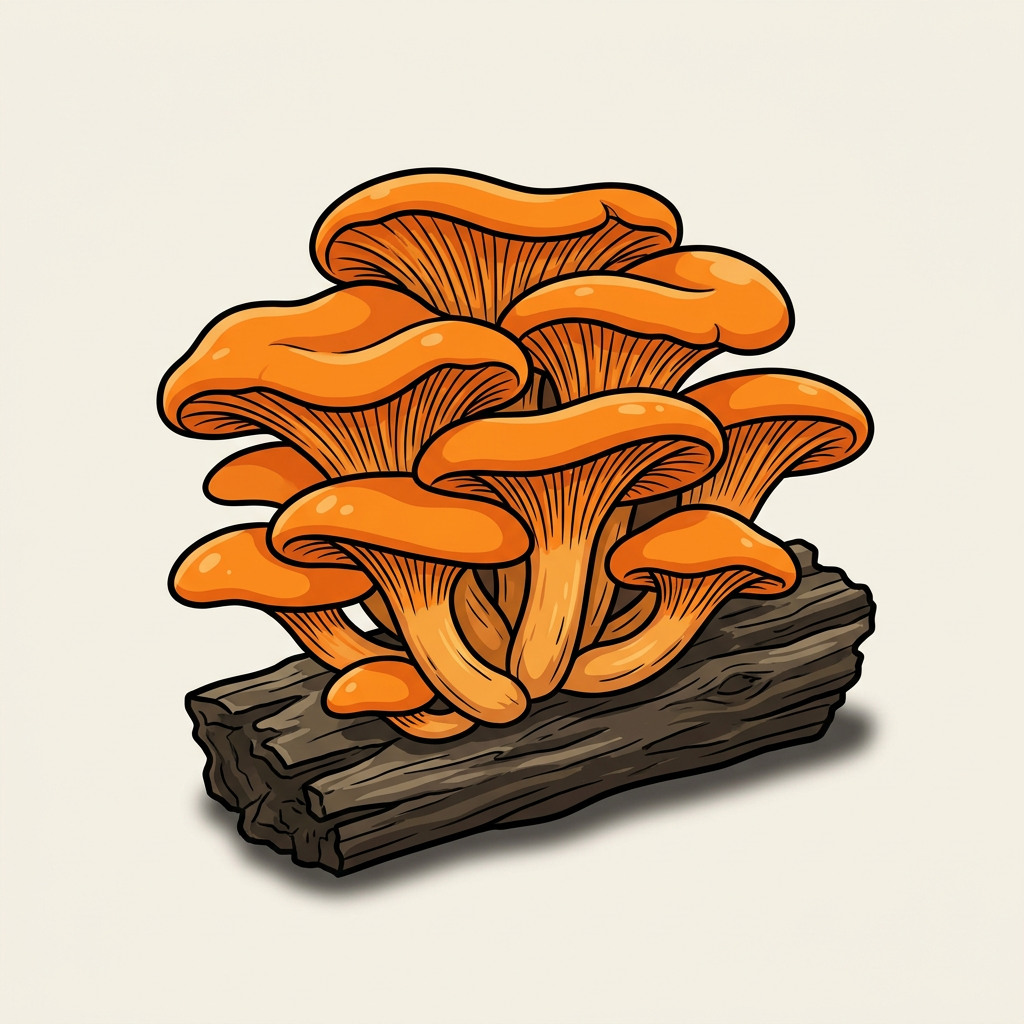
Jack-o-LanternOmphalotus olearius
⚠️ ToxicChanterelles have BLUNT RIDGES (false gills) running down a tapered stem, fruit ALONE in soil, never in clusters. Jack-o-lanterns have TRUE SHARP GILLS and grow in DENSE CLUSTERS from wood or buried roots. They glow faintly in the dark.
🌳 Host Trees & Plants
This species is found with or partners with the following hosts. Ectomycorrhizal hosts (green border) form a root-level partnership; ericoid / arbutoid shrubs (purple border) share the same mycorrhizal networks.
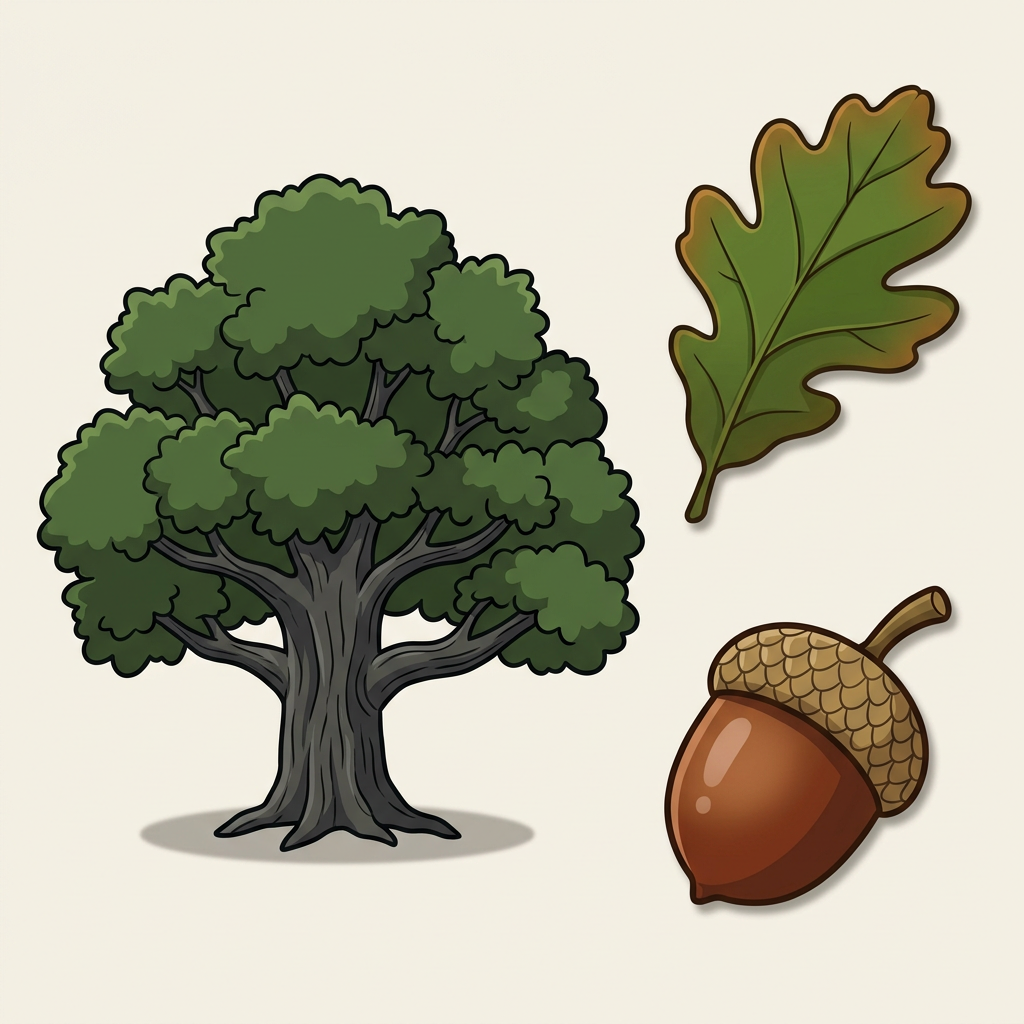
Oak
Quercus spp.
Ectomycorrhizal · Forageable
Truffle / bolete / chanterelle host. Acorns edible after leaching.
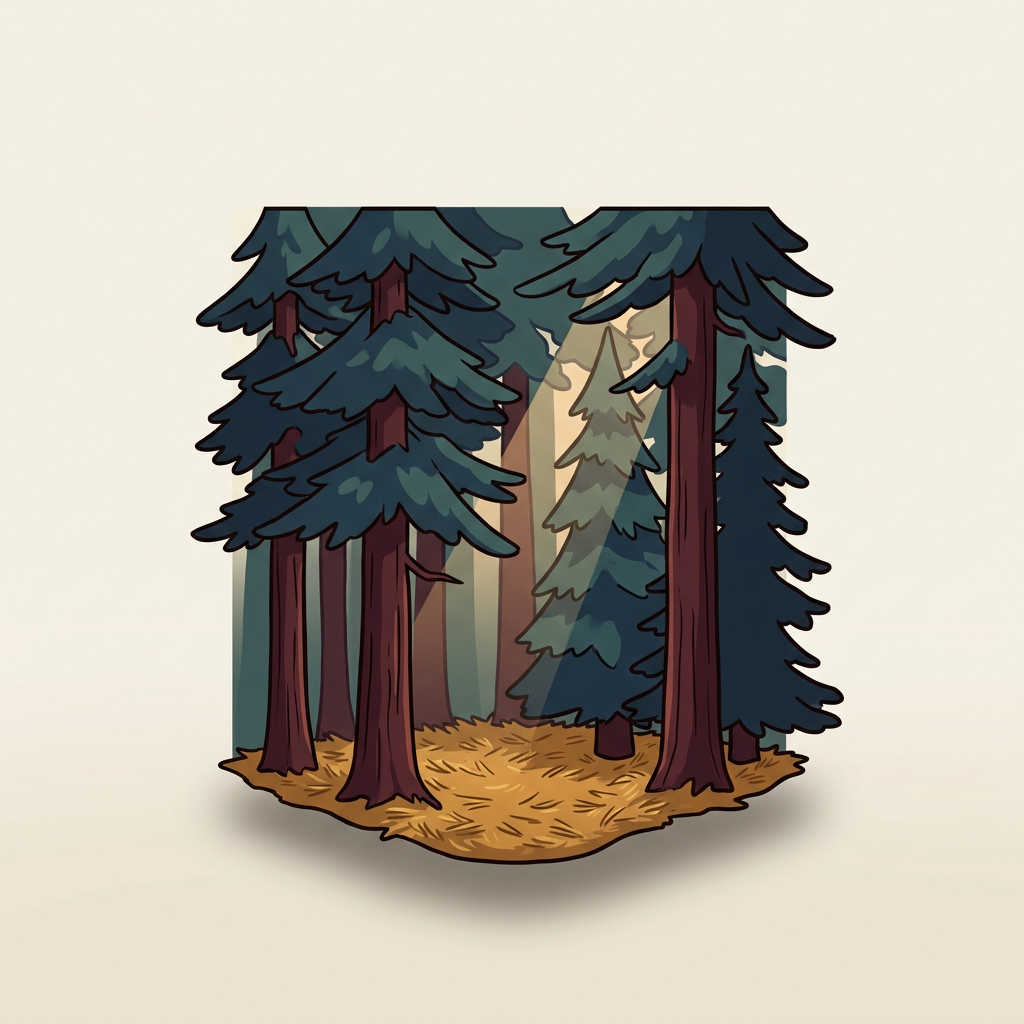
Conifer Forest
Pinaceae (generic)
Ectomycorrhizal
Generic conifer habitat — pine, spruce, fir, hemlock, or Douglas-fir. Shown when the species is reported from conifers without a specific tree.
Golden-orange funnel-shaped mushroom with false gills (blunt ridges that fork and run down the stem). Fruity, apricot-like aroma. One of Colorado's most reliable summer mushrooms.
Habitat
Mixed aspen-spruce transition zones, 7,500-10,000 ft. Mycorrhizal. Likes repeated moisture events over 2+ weeks. Often found in mossy areas near streams.
Season Windows by Region
Region
Jan
Feb
Mar
Apr
May
Jun
Jul
Aug
Sep
Oct
Nov
Dec
Trap Pond / DE Bald Cypress
DE · 20–80 ft
Minnesota River Valley
MN · 800–1,150 ft
Ouachita NF (OK)
OK · 600–2,500 ft
Ozark Plateau (NE OK)
OK · 700–1,800 ft
Sam Houston NF
TX · 80–350 ft
Big Thicket
TX · 50–400 ft
Davy Crockett NF
TX · 200–500 ft
Ozark NF
AR · 700–2,700 ft
Ouachita NF (AR)
AR · 600–2,700 ft
Buffalo National River
AR · 500–2,500 ft
Bankhead NF
AL · 600–1,100 ft
Talladega NF
AL · 700–2,407 ft
De Soto NF
MS · 100–400 ft
Kisatchie NF
LA · 80–400 ft
Sumter NF (Andrew Pickens)
SC · 800–3,500 ft
Francis Marion NF
SC · 10–100 ft
Western MD / Catoctin
MD · 700–3,360 ft
White Clay Creek
DE · 100–350 ft
NW NJ / High Point
NJ · 400–1,803 ft
Cape Cod National Seashore
MA · 0–306 ft
Pachaug SF / Eastern CT
CT · 200–500 ft
Pocomoke / Eastern Shore
MD · 0–50 ft
Great Swamp / Central RI
RI · 10–120 ft
Great Dismal Swamp NWR
VA · 0–25 ft
VA Tidewater / Colonial Parkway
VA · 0–150 ft
Alligator River NWR / Eastern NC
NC · 0–25 ft
NC Sandhills / Weymouth Woods
NC · 150–600 ft
Tuskegee NF / East-Central AL
AL · 150–600 ft
Ocmulgee / Central GA Piedmont
GA · 250–750 ft
Red Hills / Thomasville GA
GA · 200–450 ft
Savannah / Hilton Head Coast
GA · 0–40 ft
Apalachicola National Forest
FL · 10–300 ft
Ocala National Forest
FL · 20–200 ft
Myakka / Southwest Florida
FL · 5–100 ft
Uwharrie NF
NC · 400–1,100 ft
Croatan NF
NC · 0–150 ft
Oconee NF / GA Piedmont
GA · 400–800 ft
Holly Springs NF
MS · 300–600 ft
Atchafalaya Basin
LA · 5–50 ft
Conecuh NF
AL · 200–400 ft
Mobile-Tensaw Delta
AL · 0–50 ft
Tombigbee NF
MS · 300–700 ft
Congaree NP
SC · 100–200 ft
Okefenokee / SE GA
GA · 100–200 ft
Blackwater / FL Panhandle
FL · 50–300 ft
Osage Hills / Cross Timbers
OK · 700–1,250 ft
Loess Hills
IA · 1,000–1,500 ft
NE Iowa Driftless / Effigy Mounds
IA · 650–1,250 ft
George Washington NF
VA · 1,000–4,397 ft
Laurel Highlands
PA · 1,200–3,213 ft
Cherokee NF
TN · 1,000–6,285 ft
Oak Openings / NW Ohio
OH · 620–720 ft
NJ Pine Barrens
NJ · 0–200 ft
Eastern NE / Missouri Bluffs
NE · 900–1,350 ft
Kenosha Pass
7,500–10,000 ft
Gunnison NF North — Crested Butte
7,500–10,000 ft
San Juan NF — Pagosa Corridor
7,500–10,000 ft
Grand Mesa
7,500–10,000 ft
Western Maine
ME · 400–4,170 ft
Sandia Mountains / Cibola NF
NM · 5,000–10,678 ft
Davis Mountains / West TX
TX · 4,000–8,378 ft
Ochoco NF / Central OR
OR · 3,000–7,993 ft
Gordon Gulch / Nederland
7,500–10,000 ft
Superior NF / BWCA
MN · 1,300–2,301 ft
Chippewa NF
MN · 1,200–1,500 ft
Adirondacks
NY · 1,000–5,344 ft
MN North Shore / Sawtooth
MN · 600–2,301 ft
Chiricahua / Madrean Sky Islands
AZ · 4,500–9,759 ft
Santa Catalina Mountains / Mt Lemmon
AZ · 2,500–9,157 ft
Lincoln NF / Sacramento Mtns
NM · 4,500–11,973 ft
Northwest CT Hills
CT · 400–2,380 ft
Berkshires / Western MA
MA · 500–3,491 ft
Green Mountains
VT · 800–4,393 ft
White Mountains
NH · 800–6,288 ft
Acadia / Down East
ME · 0–1,530 ft
Willamette Valley / Columbia Gorge
OR · 200–1,500 ft
Shasta-Trinity NF
CA · 1,500–14,179 ft
Mendocino NF / Yolla Bolly
CA · 1,500–8,092 ft
Siuslaw NF / Oregon Dunes
OR · 0–4,097 ft
Sequoia NF / Kern Plateau
CA · 1,500–9,000 ft
Umpqua NF / Diamond Lake
OR · 1,000–9,173 ft
Colville NF / Selkirks
WA · 1,800–7,309 ft
Angeles NF / San Gabriel Mountains
CA · 1,500–10,064 ft
Los Padres NF / Big Sur
CA · 0–8,831 ft
Growing Requirements
Min Soil Temp
58°F
Moisture Need
rain 0.5in 3d
Drought Tolerance
low
Elevation Range
0–14,179 ft
Look-Alikes
Omphalotus olearius (Jack O'Lantern)
Toxic — causes severe GI distress. Grows in clusters on wood (chanterelles grow singly from soil). Has true gills.
Hygrophoropsis aurantiaca (False Chanterelle)
Not seriously toxic but can cause GI upset. Thinner flesh, true gills, grows on decaying wood.
Identification Tips
- ✓True chanterelles have blunt, forking ridges — not thin blade-like gills
- ✓Always grow singly from soil, never in clusters on wood
- ✓Tear the flesh — it should be white inside, stringy like chicken breast
- ✓The apricot smell is distinctive and reliable
Field Notes
Yellow chanterelle in oak-beech duff; coastal fog and summer thunderstorms drive repeated fruitings. Pocomoke cypress edges and Great Swamp uplands produce reliably.
Found Chanterelle?
Photograph it and log your observation on iNaturalist. The community can help confirm your ID — always get confirmation before eating.
Safety: Never eat any wild mushroom without 100% certain identification from multiple sources. This page is for informational purposes only. When in doubt, throw it out.