Loading conditions…
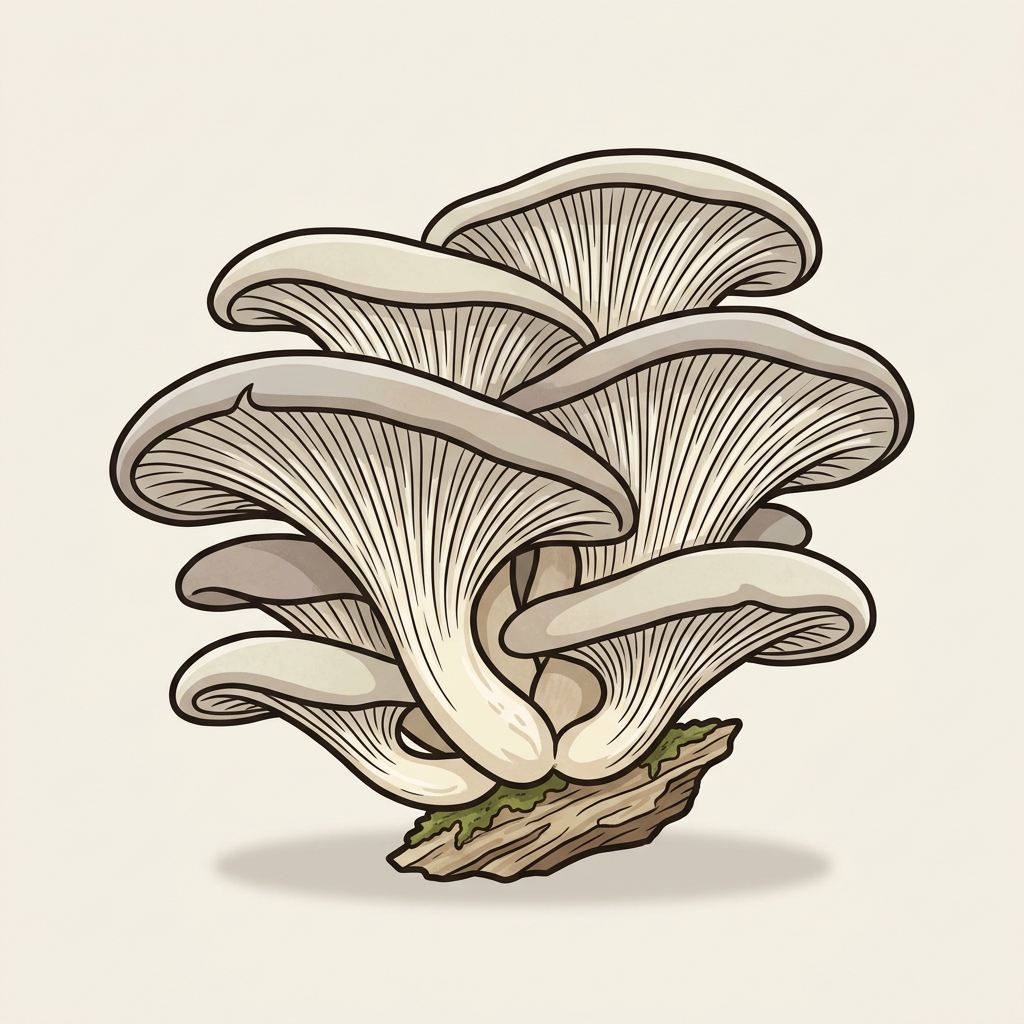
Edibility
Choice
Lookalike Danger
1 / 5
Habitat
🪵 Dead hardwood
Season
Year-round🌱 Now
"Fruits in stacks on dying poplars and cottonwoods. Anise smell if you bruise the gills."
⚠️ Do Not Confuse With
Mushroom ID is a rule-out game. Every entry below describes something that looks similar — learn the differences before eating.
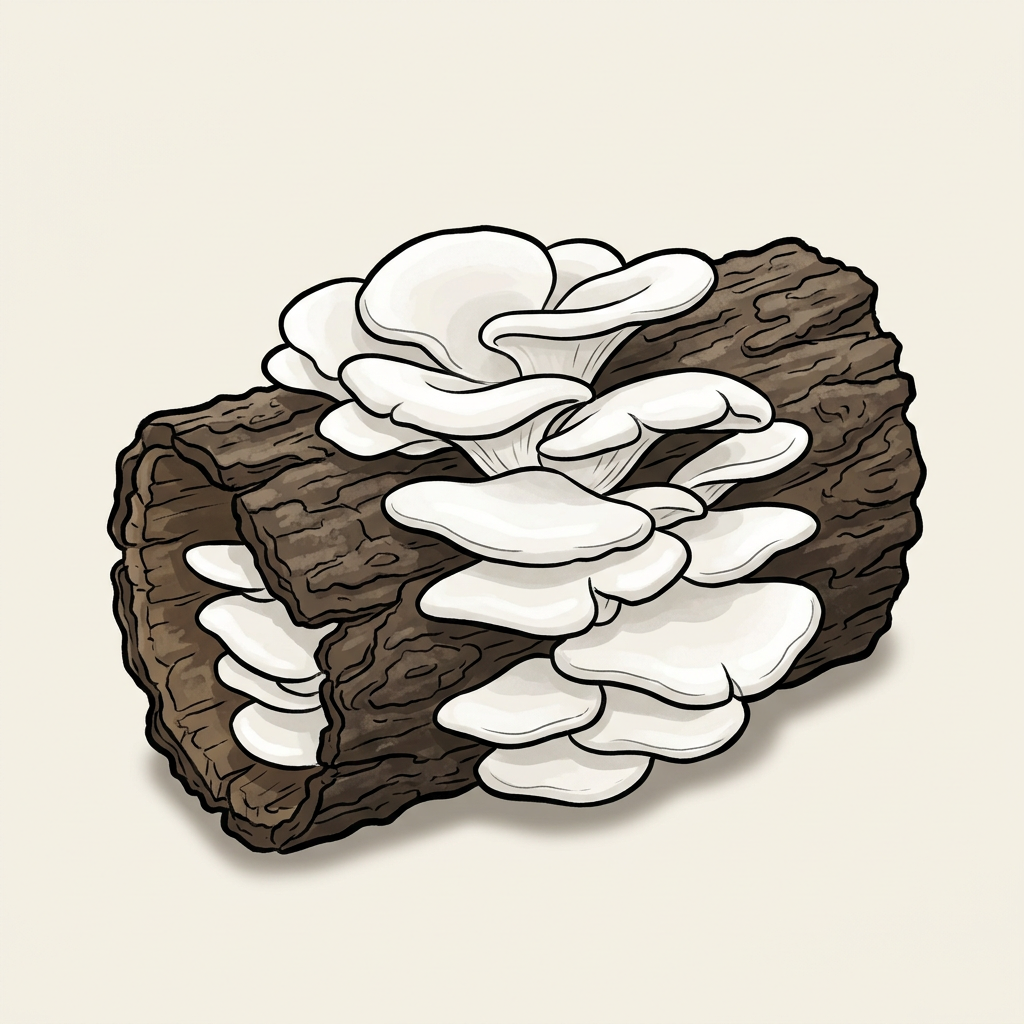
Angel WingsPleurocybella porrigens
⚠️ ToxicAngel wings (Pleurocybella porrigens) are THINNER, PURER WHITE, and grow only on CONIFER wood. Oysters are THICKER, GRAY-TO-CREAM, and grow on HARDWOODS. Angel wings have caused fatalities in Japan — avoid any pure-white shelf on conifers.
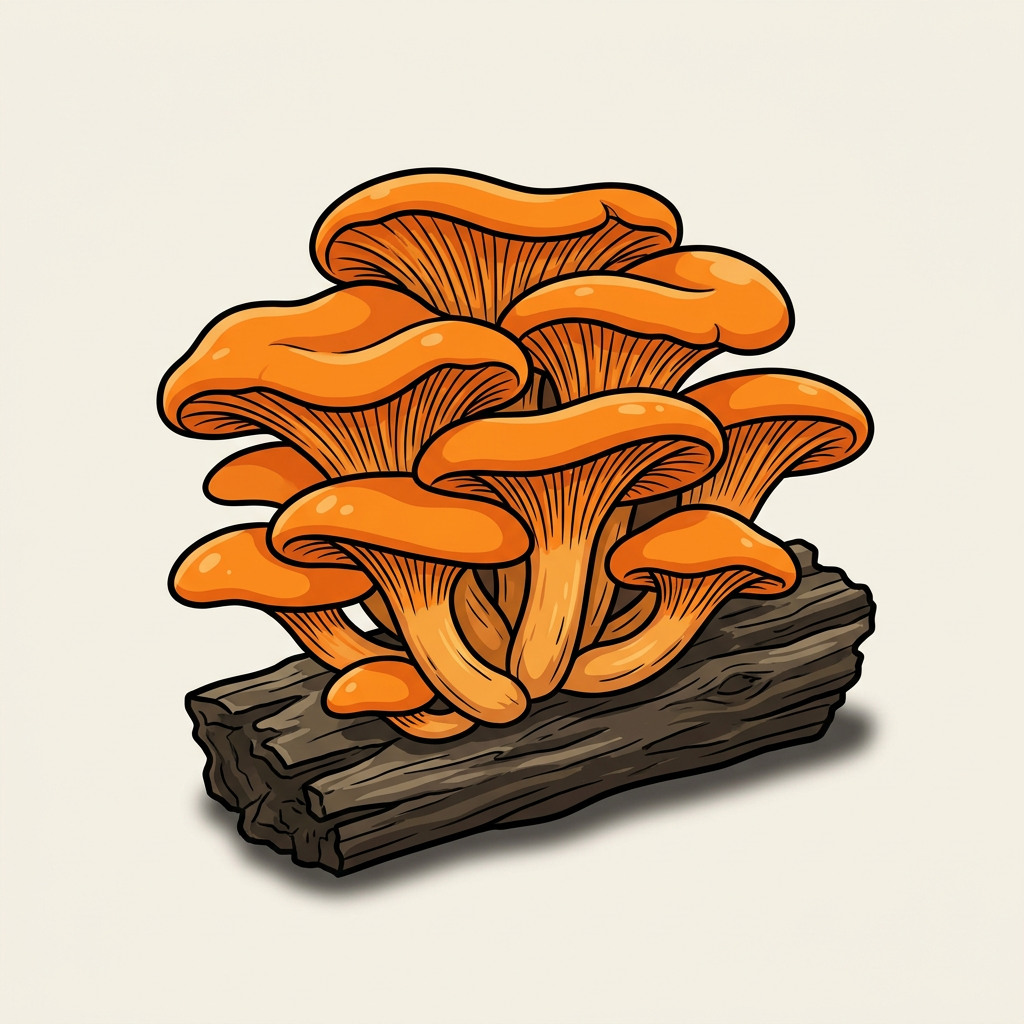
Jack-o-LanternOmphalotus olearius
⚠️ ToxicOysters have WHITE-TO-CREAM caps with gills running DOWN the short stem, growing as SHELVES on wood. Jack-o-lanterns are BRIGHT ORANGE and grow in ROUND CLUSTERS at tree bases, not shelf-like.
🌳 Host Trees & Plants
This species is found with or partners with the following hosts. Ectomycorrhizal hosts (green border) form a root-level partnership; ericoid / arbutoid shrubs (purple border) share the same mycorrhizal networks.
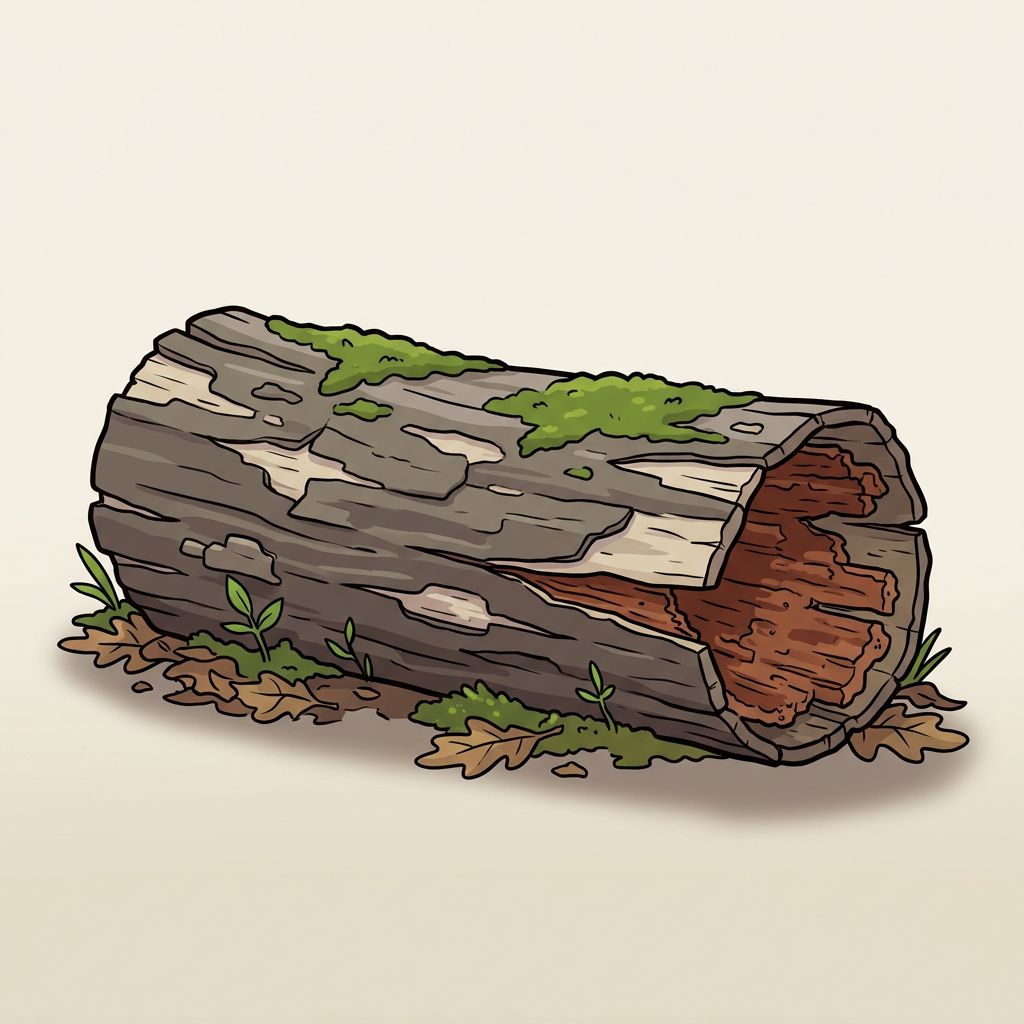
Dead Hardwood
Saprobic substrate
Saprobic substrate
Fallen logs, stumps, and dying hardwood — substrate for oyster, turkey-tail, dryad’s saddle, and most hardwood saprobes.
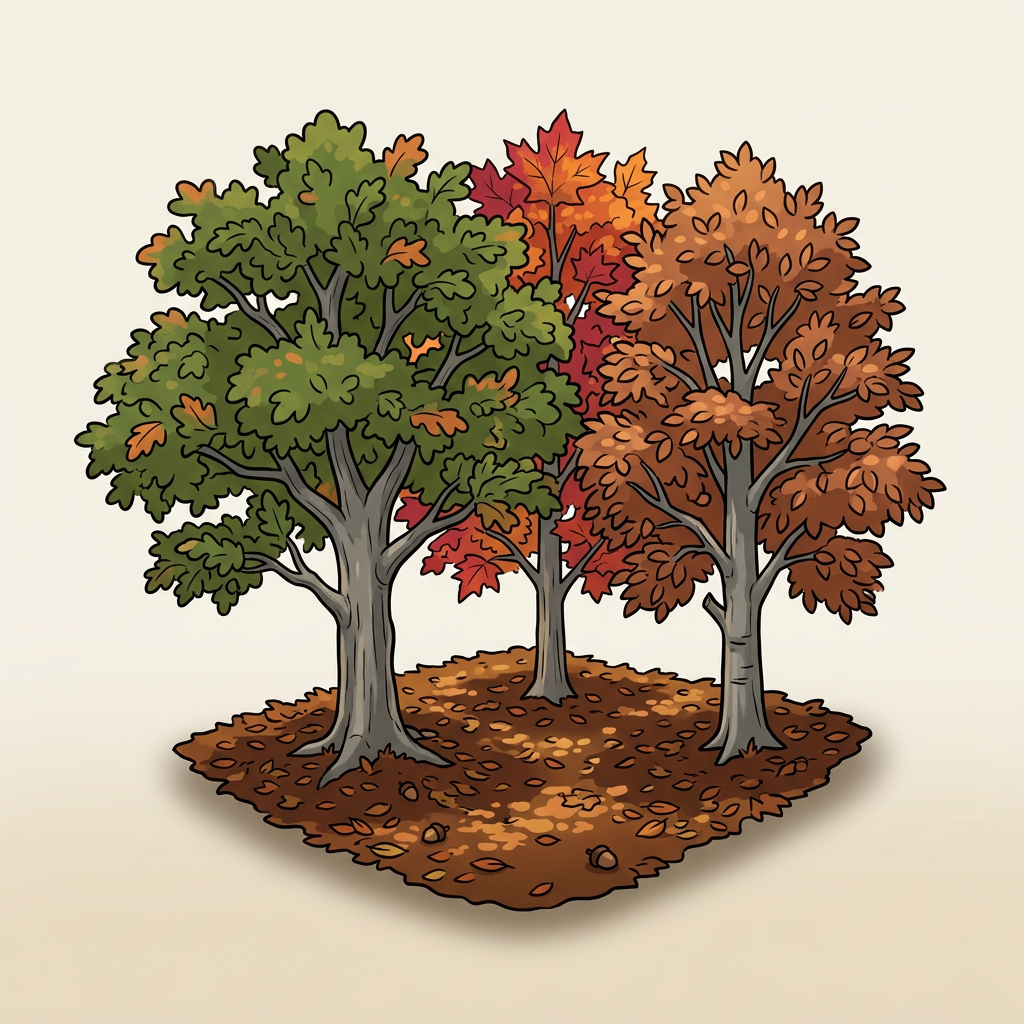
Hardwood Forest
Fagaceae / Betulaceae (generic)
Saprobic substrate
Generic hardwood habitat — oak, maple, beech, birch, etc. Shown when the species is reported from hardwoods generally.
Found Oyster Mushroom?
Photograph it and log your observation on iNaturalist. The community can help confirm your ID — always get confirmation before eating.
Safety: Never eat any wild mushroom without 100% certain identification from multiple sources. This page is for informational purposes only. When in doubt, throw it out.